Lisbon Travel Guide: Best Time to Visit, Things to Do, Costs & Tips
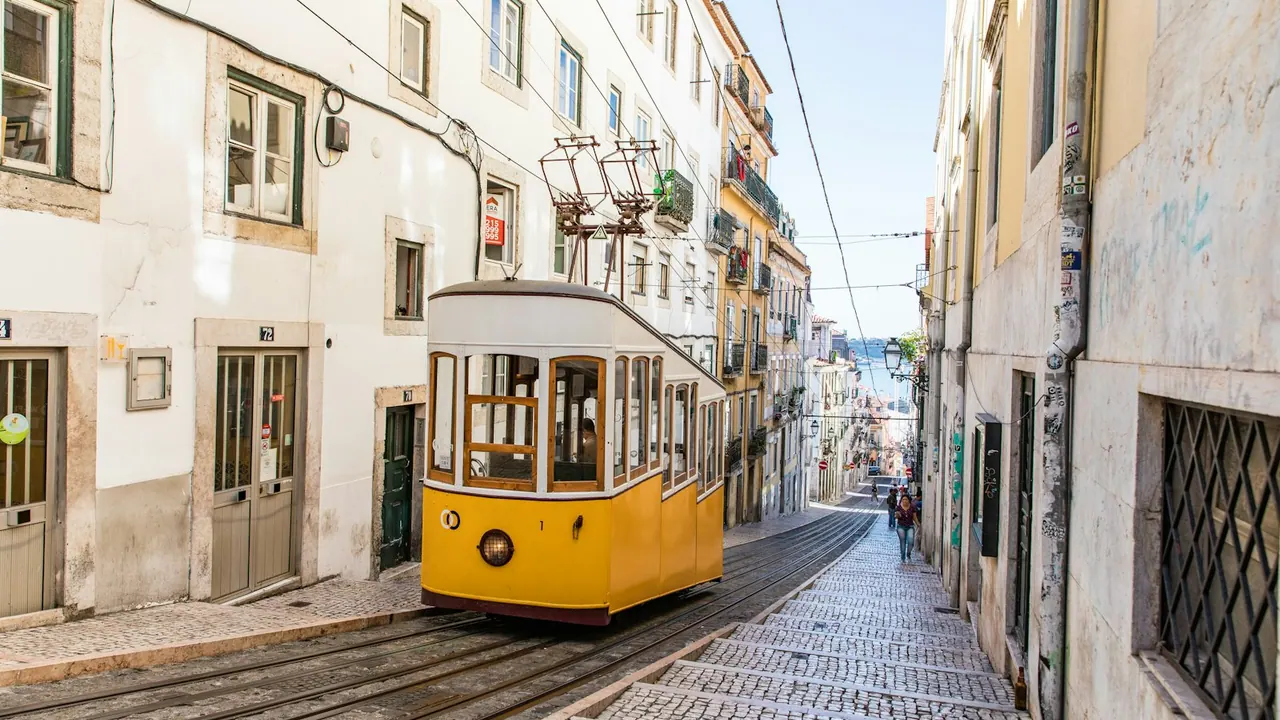
Lisbon is one of Europe's sunniest and most charming capitals. Built on seven hills overlooking the Tagus River, Portugal's capital is a city of pastel-coloured buildings, azulejo-tiled façades, viewpoints called miradouros, historic trams and soulful fado music drifting out of tiny taverns. It was the starting point for many of the Age of Discovery's great voyages, and monuments in Belém still celebrate that era. Today, Lisbon combines history with a thriving food scene, creative neighbourhoods and easy access to beaches and fairytale palaces in nearby Sintra.
Disclosure: This post contains affiliate links. If you book through them, we may earn a small commission at no extra cost to you.
Affiliate disclosure: we may earn a commission if you book through the tours and links on this page, at no extra cost to you. Read our affiliate disclosure.
Best Time to Visit Lisbon
Lisbon has a mild Mediterranean climate, with warm, dry summers and mild, rainy winters.
Spring (March–May) is one of the best times to visit, with temperatures from about 17°C to 24°C and fewer crowds.
Summer (June–August) is hot and busy, with temperatures around 27–33°C. June is festival month, with the Santo António festivities (Festas de Lisboa) filling Alfama with grilled sardines, music and street parties, especially on the night of 12–13 June.
Autumn (September–October) offers warm weather, warm sea temperatures and fewer tourists.
Winter (November–February) is mild, with temperatures around 10–16°C and some rain. It's the quietest and cheapest season.
Top Places to Visit in Lisbon
1. Alfama
Lisbon's oldest neighbourhood is a maze of narrow streets, staircases and small squares, home to fado houses and traditional taverns. Climb to the Miradouro de Santa Luzia and Miradouro das Portas do Sol for views over the rooftops and river.
2. São Jorge Castle
Overlooking the city from the highest hill, this Moorish castle offers panoramic views over Lisbon and the Tagus River.
3. Belém Tower and Jerónimos Monastery
These UNESCO World Heritage Sites in Belém celebrate Portugal's Age of Discovery. The ornate Manueline-style Jerónimos Monastery houses the tomb of Vasco da Gama, and the Belém Tower once guarded the harbour. Nearby, the Monument to the Discoveries and the famous pastéis de Belém bakery are must-visits.
4. Tram 28
The historic yellow Tram 28 rattles through Alfama, Baixa, Chiado and Graça. It's very popular, so board early in the morning or at the terminus to get a seat, and watch for pickpockets.
5. Baixa and Praça do Comércio
Rebuilt after the devastating 1755 earthquake, the Baixa district features elegant grid streets leading to the grand riverside Praça do Comércio. Walk up Rua Augusta and through the triumphal arch.
6. Bairro Alto and Chiado
Chiado is known for its historic cafés, theatres and shops, while Bairro Alto comes alive at night with bars and street parties. The Santa Justa Lift connects Baixa with the upper town.
7. LX Factory and MAAT
LX Factory is a creative hub in a former industrial complex, with shops, restaurants and street art. Nearby, the MAAT (Museum of Art, Architecture and Technology) features striking modern architecture on the riverfront.
Also worth visiting: the National Tile Museum, the Calouste Gulbenkian Museum, the Oceanário de Lisboa, Time Out Market, and the Miradouro da Senhora do Monte.
Note on funiculars: The historic Glória funicular has been out of service since a fatal derailment in September 2025, and a replacement is planned for the coming years. Check the current status of Lisbon's other funiculars before your visit.
Beyond the City
Lisbon is an excellent base for day trips. Sintra, about 40 minutes by train, is famous for its fairytale palaces, including Pena Palace and Quinta da Regaleira. The seaside towns of Cascais and Estoril are reachable by train along the coast, and the beaches of Costa da Caparica lie just across the river. Further afield, Óbidos, Nazaré and Évora make great day trips.
Where to Stay in Lisbon
- Baixa and Chiado: Central and elegant, close to shops, restaurants and transport. Ideal for first-time visitors.
- Alfama: Historic and atmospheric, with fado bars, though hilly and busy.
- Bairro Alto and Príncipe Real: Lively nightlife and boutique hotels.
- Avenida da Liberdade: Upscale hotels along Lisbon's grand boulevard.
- Belém: Quieter, close to monuments and the river.
Lisbon charges a tourist tax of €4 per person per night.
Getting There & Around
Flying to Lisbon
Humberto Delgado Airport (LIS) lies only about 7 km north of the city centre and has flights from across Europe, the Americas and Africa.
The metro's Red Line connects the airport with the city centre in about 20–25 minutes. Buses, taxis and ride-hailing apps are also available.
Getting Around Lisbon
- Metro: Four lines covering key areas.
- Trams: Historic trams such as Tram 28 and modern trams to Belém (Tram 15E).
- Buses and trains: Carris buses and suburban trains to Sintra and Cascais.
- Navegante card: A rechargeable card for public transport; the "zapping" mode offers cheaper fares.
- Walking: Lisbon is hilly, so wear comfortable shoes.
- Ride-hailing: Uber, Bolt and FreeNow are inexpensive.
Travel Costs in Lisbon
Lisbon is one of Western Europe's more affordable capitals, though prices have risen. The currency is the euro (€).
| Travel style | Accommodation | Food & drink | Transport & sights | Daily total |
|---|---|---|---|---|
| Budget / hostel | €25–45 | €20–30 | €8–20 | €55–95 |
| Mid-range | €110–200 | €40–70 | €25–50 | €175–320 |
| Luxury | €300–650 | €100–250 | €80–200 | €480–1,100 |
Money-saving tips: the Lisboa Card includes public transport and free entry to many attractions, and eating at local tascas (taverns) is much cheaper than tourist restaurants.
Visa & Entry Requirements
Portugal is part of the EU and the Schengen Area:
- EU/EEA and Swiss citizens can enter with a valid passport or national ID card.
- UK, US, Canadian, Australian and other visa-exempt travellers can stay up to 90 days within any 180-day period in the Schengen Area.
- Other nationalities may need a Schengen visa.
- Passport validity: Typically at least three months beyond your planned departure from the Schengen Area.
- EU Entry/Exit System (EES): Non-EU travellers now register fingerprints and a facial image at the border instead of receiving passport stamps. Lisbon Airport has seen long queues at passport control, so allow extra time.
- ETIAS: The EU's online travel authorisation for visa-exempt travellers is expected to start in the last quarter of 2026 (around €20, valid for three years).
Always check official Portuguese and EU sources or your own government's travel advice before departure.
Local Tips for Lisbon
- Wear good shoes: The polished limestone pavements (calçada portuguesa) are slippery, especially when wet.
- Try local food: Taste pastéis de nata, bacalhau (salt cod), grilled sardines, bifana sandwiches and ginjinha cherry liqueur.
- Couvert: Bread, olives and starters placed on your table are not free; decline them if you don't want them.
- Tipping: Around 5–10% in restaurants is appreciated.
- Safety: Lisbon is generally safe, but pickpockets operate on Tram 28, in Baixa and at viewpoints. Ignore street sellers offering drugs.
- Staying connected: EU visitors can use their home SIM under EU roaming rules. Travellers from outside the EU should consider a travel eSIM.
Tours & Experiences
- Fado dinner: Enjoy traditional Portuguese music in Alfama.
- Sintra day trip: Visit Pena Palace, the Moorish Castle and Quinta da Regaleira.
- Food tour: Taste pastries, cheese, wine and petiscos (Portuguese tapas).
- Tagus River sunset cruise: See Lisbon's monuments from the water.
- Tuk-tuk tour: Explore Lisbon's hills without the climb.
Browse and book the best tours in Lisbon here.
FAQ
How much is the tourist tax in Lisbon?
Lisbon charges a tourist tax of €4 per person per night on accommodation. Cruise passengers pay a separate fee.
How many days do you need in Lisbon?
Three to four days are ideal, including a day trip to Sintra.
What is the best time to visit Lisbon?
March to May and September to October offer warm weather and fewer crowds.
How do I get from Lisbon Airport to the city centre?
Take the metro's Red Line (about 20–25 minutes), a bus, taxi or ride-hailing app.
Is the Glória funicular open?
No. The Glória funicular has been out of service since a fatal derailment in September 2025. A replacement is planned.
Conclusion
Lisbon combines rich history, stunning viewpoints, soulful music and delicious food. Whether you're exploring Belém, wandering through Alfama or riding Tram 28, it's a city that will capture your heart.
Start planning today: book your Belém tickets, fado shows and tours on GetYourGuide, and get ready to discover Lisbon.
Frequently Asked Questions
How many days in advance should I book tours in Portugal?
For popular experiences in Portugal, it's a good idea to book skip-the-line tickets at least 3-5 days ahead, especially in high season. Smaller or less popular tours can often be booked a day or two in advance, but booking early guarantees the time slot you want.
Do I need to print my e-tickets for attractions in Portugal?
No, in the vast majority of cases, showing the QR code on your smartphone is enough to enter attractions and activities in Portugal. Just keep your phone charged and your screen brightness turned up, and it's smart to save an offline screenshot in case you lose signal.
Where do most walking tours and excursions in Portugal start?
Most walking tours and excursions in Portugal begin near Alfama, one of its best-known landmarks, or at a specific meeting point confirmed on your voucher after booking. It's worth arriving five to ten minutes early so your guide can easily spot you in the crowd.
What should I know before visiting Alfama in Portugal?
Before visiting Alfama, it's worth booking your entry ticket online in advance where possible, since this is one of Portugal's most popular sights and queues can build up fast, especially around midday. Arriving early or later in the afternoon usually means smaller crowds and better photos, and it's always a good idea to check the official opening hours for your travel dates, since these can change seasonally.