Rome Travel Guide: Best Time to Visit, Things to Do, Costs & Tips
Rome is the Eternal City, a living museum where nearly 3,000 years of history unfold on every street corner. Ancient ruins sit beside Renaissance palaces, Baroque fountains and lively piazzas, and the capital of Italy is also home to the Vatican, the heart of the Catholic world. Few cities can match Rome's concentration of masterpieces, from the Colosseum and the Pantheon to Michelangelo's Sistine Chapel and Bernini's sculptures, and few can match its food, from carbonara and cacio e pepe to gelato and espresso. This Rome travel guide covers the best time to visit, top attractions, where to stay, how to get there and around, realistic daily costs, entry rules and practical tips, including new visitor fees at the Trevi Fountain and Pantheon.
Disclosure: This post contains affiliate links. If you book through them, we may earn a small commission at no extra cost to you.
Best Time to Visit Rome
Rome has a Mediterranean climate, with hot summers and mild winters.
Spring (April–May) is one of the best times to visit. Temperatures range from about 18°C to 25°C, flowers bloom on the Spanish Steps and terraces fill with diners. Easter is very busy, with large crowds in Vatican City.
Summer (June–August) is hot and crowded, with temperatures often above 32°C. Many Romans leave the city in August, and some family-run restaurants close. Visit major sights early in the morning.
Autumn (September–October) is equally excellent, with warm weather, harvest-season food and fewer crowds by October.
Winter (November–March) is mild and rainy, with temperatures around 8–14°C. It's the quietest and cheapest season, with festive Christmas markets in Piazza Navona and shorter queues at major attractions.
Top Places to Visit in Rome
1. Colosseum, Roman Forum and Palatine Hill
The Colosseum, completed in AD 80, could hold more than 50,000 spectators for gladiator fights. A combined ticket includes the Roman Forum, once the centre of political life, and the Palatine Hill, where emperors built their palaces. Tickets are timed and sell out quickly, so book well in advance on the official website.
2. Vatican Museums and Sistine Chapel
The Vatican Museums house one of the world's greatest art collections, ending in the Sistine Chapel with Michelangelo's ceiling and Last Judgment. A standard ticket costs €20 at the door or €25 online in 2026. Next door, St Peter's Basilica is free to enter.
3. Pantheon
Built nearly 2,000 years ago, the Pantheon's dome remains the largest unreinforced concrete dome in the world. Since 2023, visitors pay a small entry fee (€5), with free entry for some categories such as minors and Rome residents.
4. Trevi Fountain
Toss a coin over your shoulder to ensure your return to Rome. Since 2 February 2026, tourists pay a €2 fee to access the fountain basin area during daytime hours; viewing from the square above remains free, as does access in the evening.
5. Piazza Navona
One of Rome's most beautiful squares, built on the site of an ancient stadium, features Bernini's Fountain of the Four Rivers and lively street artists.
6. Spanish Steps and Via del Corso
The 135 steps lead up to the Trinità dei Monti church. Note that sitting on the steps is prohibited. Nearby, Via Condotti and Via del Corso are famous shopping streets.
7. Borghese Gallery
Set in the beautiful Villa Borghese park, this gallery holds masterpieces by Bernini, Caravaggio, Raphael and Titian. Visits are by reservation only, with limited time slots.
Also worth visiting: Trastevere, Castel Sant'Angelo, the Capitoline Museums, the Baths of Caracalla, the Catacombs along the Appian Way and the Jewish Ghetto.
Where to Stay in Rome
- Centro Storico: near the Pantheon, Piazza Navona and Trevi. Ideal for first-time visitors.
- Monti: close to the Colosseum, with trendy boutiques, wine bars and restaurants.
- Trastevere: charming and lively, with cobbled streets and great nightlife.
- Prati: elegant and convenient for the Vatican, with good restaurants.
- Termini area: convenient for transport and often cheaper, though less charming.
Compare hotel prices and availability in Rome here. Rome charges a per-person, per-night city tax that depends on the hotel category.
Getting There & Around
Flying to Rome
Rome Fiumicino Leonardo da Vinci Airport (FCO) is Italy's largest airport, about 30 km from the city centre. Rome Ciampino (CIA) is used mainly by low-cost airlines. Search and compare cheap flights to Rome to find the best fares.
From Fiumicino, the Leonardo Express train reaches Roma Termini in about 32 minutes. Taxis charge a fixed fare to the city centre within the Aurelian Walls. From Ciampino, buses connect with Termini.
By Train
Rome is connected by high-speed trains to Florence (about 1.5 hours), Naples (about 1 hour 10 minutes), Milan and Venice.
Getting Around Rome
- Walking: the best way to explore the historic centre.
- Metro: three lines (A, B and C) link key areas, including the Vatican (Ottaviano) and the Colosseum.
- Buses and trams: extensive but can be slow in traffic.
- Tickets: tap a contactless card on metro gates and buses, or buy tickets at machines. A 100-minute ticket and day passes are available.
- Taxis: use official white taxis or apps; don't hail unofficial drivers.
Travel Costs in Rome
Rome is moderately expensive. The currency is the euro (€).
| Travel style | Accommodation | Food & drink | Transport & sights | Daily total |
|---|---|---|---|---|
| Budget / hostel | €30–55 | €20–35 | €10–35 | €60–125 |
| Mid-range | €130–230 | €45–80 | €35–70 | €210–380 |
| Luxury | €350–900 | €120–300 | €100–300 | €570–1,500 |
Money-saving tips: drink from the free nasoni water fountains, eat pizza al taglio and supplì, and visit free churches with masterpieces by Caravaggio and Michelangelo.
Visa & Entry Requirements
Italy is part of the EU and the Schengen Area:
- EU/EEA and Swiss citizens can enter with a valid passport or national ID card.
- UK, US, Canadian, Australian and other visa-exempt travellers can stay up to 90 days within any 180-day period in the Schengen Area.
- Other nationalities may need a Schengen visa.
- Passport validity: typically at least three months beyond your planned departure from the Schengen Area.
- EU Entry/Exit System (EES): non-EU travellers now register fingerprints and a facial image at the border instead of receiving passport stamps.
- ETIAS: the EU's online travel authorisation for visa-exempt travellers is expected to start in the last quarter of 2026 (around €20, valid for three years).
Always check official Italian and EU sources or your own government's travel advice before departure.
Local Tips for Rome
- Dress code for churches: cover shoulders and knees when visiting churches and the Vatican.
- Coffee culture: drink your espresso standing at the bar, where it's cheaper. Cappuccino is traditionally a morning drink.
- Book ahead: reserve tickets for the Colosseum, Vatican Museums and Borghese Gallery well in advance.
- Rules at monuments: sitting on the Spanish Steps and eating near some fountains are prohibited and fined.
- Tipping: not expected; restaurants may add a coperto (cover charge). Leave small change for good service.
- Safety: Rome is generally safe, but pickpockets are very active on buses (especially line 64), metro Line A, Termini and around major sights.
- Staying connected: EU visitors can use their home SIM under EU roaming rules. Travellers from outside the EU should consider a travel eSIM. Get your Italy eSIM here.
Tours & Experiences
- Colosseum underground and arena tour: explore restricted areas with a guide.
- Vatican early-entry tour: see the Sistine Chapel before the crowds.
- Food tour in Trastevere or Testaccio: taste Roman classics.
- Pasta-making class: learn to make fresh pasta and tiramisu.
- Day trips: visit Pompeii, Tivoli's Villa d'Este, Ostia Antica or Florence.
Browse and book the best tours in Rome here.
FAQ
Do you have to pay to see the Trevi Fountain?
Since 2 February 2026, tourists pay €2 to access the area next to the fountain during the day. The view from the square above is free, as is access in the evening.
How many days do you need in Rome?
Three to four days are ideal to see the main sights, including the Vatican. Add extra days for day trips.
What is the best time to visit Rome?
April to May and September to October offer the best weather and slightly smaller crowds.
How do I get from Fiumicino Airport to Rome?
Take the Leonardo Express to Termini (about 32 minutes) or a fixed-fare taxi to the city centre.
Is the Pantheon free?
No. Since 2023, the Pantheon charges a €5 entrance fee, with free entry for some categories.
Conclusion
Rome layers nearly 3,000 years of history into one unforgettable city, from gladiators at the Colosseum to Michelangelo's ceiling in the Sistine Chapel. With a little planning around tickets and timed entries, it rewards every kind of traveller.
Plan ahead: book your Colosseum and Vatican tours on GetYourGuide, and get ready to discover the Eternal City.
Tiqets Italy Pass & Ticket Guide: Skip the Lines in Rome, Florence, Venice & Milan
Italy has more UNESCO World Heritage Sites than almost any other country in the world, and its top attractions draw millions of visitors every year. That popularity comes at a price: queues at the Vatican Museums can stretch around the walls of Vatican City, Colosseum time slots sell out weeks in advance, and the Uffizi Gallery and Last Supper can be impossible to book at short notice in peak season. Without planning, you could spend more time in line than in front of the masterpieces.
Tiqets helps you avoid that. The Amsterdam-based platform offers instant mobile tickets, guided tours and combination tickets for Italy's top attractions, from ancient Rome to Renaissance Florence and the canals of Venice. In this Tiqets Italy guide, you'll learn how to get priority access to Italy's most famous sites, which city passes and combination tickets save money, how to plan for peak season, how to use digital vouchers and how to book step by step.
Book skip-the-line tickets for Italy on Tiqets
Exploring Italy with Tiqets
Rome: Vatican Museums and Sistine Chapel
The Vatican Museums are among the most visited museums in the world, home to the Sistine Chapel, the Raphael Rooms and vast collections of classical and Renaissance art. Tiqets offers timed-entry tickets and guided tours, including early-morning options that let you see the Sistine Chapel before the biggest crowds arrive.
Tips:
- The museums are generally closed on Sundays, except the last Sunday of the month (free entry, very crowded).
- A dress code applies: shoulders and knees must be covered.
- St Peter's Basilica is free but has a separate security queue; some guided tours include access via a dedicated route when available.
Rome: Colosseum, Roman Forum and Palatine Hill
The Colosseum uses nominative, timed tickets sold through the official site, with a share of tickets allocated to accredited tour operators and resellers, usually bundled with a guided tour or extra services. On Tiqets, you'll typically find guided tours and combination products including Colosseum entry, the Roman Forum and Palatine Hill, and sometimes the Arena or Underground.
Tips:
- Tickets are personal; bring ID matching the name on the ticket.
- Official tickets are released around 30 days in advance and sell out fast; resellers may have availability when the official site doesn't.
- Read the inclusions carefully: standard entry, arena access and underground tours are different products.
Florence: Uffizi Gallery and Accademia
The Uffizi Gallery houses Botticelli's Birth of Venus and Primavera, as well as works by Leonardo, Michelangelo and Caravaggio. The Accademia Gallery is home to Michelangelo's David. Both have long queues in summer, so timed tickets are essential.
Tips:
- Both are usually closed on Mondays.
- Consider an early morning or late afternoon slot.
- Also book the Duomo climb and Brunelleschi's Dome, which require reservations.
Venice: Doge's Palace and St Mark's
The Doge's Palace offers grand halls, the Bridge of Sighs and the prisons. Tiqets offers tickets and guided tours, including Secret Itineraries options when available. Also consider St Mark's Basilica, the Campanile and gondola or boat tours.
Venice Access Fee: On selected peak days (60 days between 3 April and 26 July in 2026), day-trippers aged 14+ must pay an access fee to enter the historic centre between 8:30 am and 4 pm: €5 if booked at least four days in advance, or €10 later. Overnight guests are exempt but must register. Check the official platform for future dates.
Milan: The Last Supper and Duomo
Leonardo da Vinci's Last Supper at Santa Maria delle Grazie is one of the hardest tickets in Italy to obtain, with small groups and short visits. Guided tours on platforms like Tiqets are often the best chance if official tickets are sold out. The Duomo di Milano rooftop terraces are another must, with lift or stair options.
Beyond the big four
Tiqets also offers tickets for Pompeii, Herculaneum, the Leaning Tower of Pisa, Lake Como boat trips, Naples' underground, the Borghese Gallery in Rome, and more.
Italian City Passes & Combination Tickets
City passes
Many Italian cities offer official city passes that include free or discounted entry to museums and public transport. Prices and inclusions change, so check the latest details:
- Roma Pass: 48-hour or 72-hour versions, with free entry to one or two museums, discounts on others and public transport.
- Firenzecard: A pass for many of Florence's museums, valid for 72 hours, with an optional transport add-on.
- Venice museum passes: Including the Museum Pass for Venice's civic museums, such as the Doge's Palace.
Combination tickets on Tiqets
- Colosseum + Roman Forum + Palatine Hill with a guided tour.
- Vatican Museums + St Peter's Basilica guided tours.
- Uffizi + Accademia combination tickets in Florence.
- Doge's Palace + St Mark's Basilica tours in Venice.
- Duomo di Milano + rooftop terraces + museum.
- Hop-on hop-off buses combined with attractions in Rome, Florence and Milan.
Saving money on regional museum circuits
- Free first Sundays: Many Italian state museums offer free entry on the first Sunday of the month, but expect crowds and limited reservations.
- EU youth discounts: Reduced tickets for EU citizens aged 18–25 at many state museums.
- Children: Under-18s often enter state museums for free, but still need a ticket.
- Combination tickets: Save compared with buying separately if you visit several sites.
Tips for Peak Season Travel in Italy
Time-slot reservations
Most major Italian attractions now use timed entry. Arrive 10–15 minutes before your slot; late arrivals may be refused entry.
Plan ahead for summer
- Book 3–6 weeks ahead for the Vatican, Colosseum and Uffizi in summer, and longer for the Last Supper.
- Avoid Italian holidays: Easter, 25 April, 1 May, 2 June and Ferragosto (15 August).
- Visit early or late: Morning and late afternoon slots are cooler and quieter.
Beat the heat
- Bring water and sun protection; outdoor sites like the Forum and Pompeii have little shade.
- Wear comfortable shoes: Expect cobblestones and lots of walking.
- Schedule indoor museums at midday.
Dress codes
Churches and the Vatican require covered shoulders and knees. Carry a light scarf.
Avoid scams
Buy tickets only from official sites or reputable platforms like Tiqets. Avoid street sellers offering "skip-the-line" tickets near the Colosseum and Vatican, and check that the listing clearly states what's included.
How to Store & Present Digital Vouchers at Italian Heritage Sites
Store your tickets
- Download your tickets into the Tiqets app, where they're available offline.
- Save the confirmation email and take a screenshot as backup.
- Keep your phone charged and carry a power bank.
Understand your voucher type
- Direct entry tickets: Show the QR code at the entrance.
- Exchange vouchers: Swap your voucher for a physical ticket at a specific desk or meeting point.
- Guided tour vouchers: Meet your guide at the specified meeting point before the tour.
Bring ID
At the Colosseum, tickets are personal and ID checks are common. For reduced tickets (EU youth, students, children), you'll need ID to prove eligibility.
At the entrance
- Increase your screen brightness.
- Go to the correct entrance for pre-booked tickets.
- Expect security checks with metal detectors; large bags may need to be checked.
Step-by-Step Guide to Booking Italian Attractions
- Plan your itinerary: List the attractions you want to visit in each city and their opening days.
- Search on Tiqets: Go to Tiqets and search for your city or attraction.
- Compare options: Choose between standard entry, guided tours, early access and combination tickets.
- Read conditions: Check inclusions, meeting points, ID requirements and cancellation options.
- Choose your date and time: Select a time slot that fits your schedule, leaving enough time between attractions.
- Enter names and pay: Enter the names of all visitors if required, then pay securely.
- Save your tickets: Download tickets to the app and save backups.
- Arrive early: Arrive 15–30 minutes before your slot with ID and your phone ready.
Frequently Asked Questions
Can I buy Colosseum tickets on Tiqets?
Yes, Tiqets offers Colosseum products, usually guided tours or combination tickets with the Roman Forum and Palatine Hill. Tickets are personal, so bring ID matching the booking.
How far in advance should I book the Vatican Museums?
In peak season, book at least 3–6 weeks in advance, and earlier for early-morning or guided tours.
Do I need to print my Tiqets tickets in Italy?
Usually not. Show your mobile ticket at the entrance. Some products are exchange vouchers, which must be swapped for a ticket at a desk.
Is there a fee to enter Venice?
On selected peak days (60 days between 3 April and 26 July in 2026), day-trippers pay €5–€10 to enter the historic centre. Overnight guests are exempt but must register.
Which Italian attractions sell out first?
The Last Supper in Milan, the Colosseum's underground and arena tours, the Vatican Museums and the Uffizi Gallery in summer.
Italy's treasures are worth every moment, so don't waste them in queues. By booking timed tickets, guided tours and combination passes in advance with Tiqets, you can see the Sistine Chapel, the Colosseum, Botticelli's masterpieces and the Doge's Palace without the stress. Ready to explore Italy? Book skip-the-line tickets for Rome, Florence, Venice and Milan on Tiqets and make the most of every day.
Disclosure: This post contains affiliate links. If you book through them, we may earn a small commission at no extra cost to you.
Trip.com Italy Guide: How to Find Top Hotel Deals in Rome, Venice & Florence
Italy is the dream destination for millions of travellers, and for good reason. You can sip espresso in a Roman piazza, watch the sunset over Venice's Grand Canal, admire Renaissance masterpieces in Florence and finish with a swim on the Amalfi Coast. But Italy's popularity also means high hotel prices, especially in historic centres and in summer, when the best-located rooms sell out months in advance.
Trip.com Italy (it.trip.com) helps you find better hotel deals and combine them with flights and Italian train tickets in one app. In this Trip.com Italy guide, you'll learn where to stay in Italy's most popular destinations, how Trip.com's features and rail options can save you time and money, smart savings hacks, which partner tools to combine with your booking, and a step-by-step guide to securing your hotel.
Find top hotel deals in Italy on Trip.com
Staying in Italy: Historic Centres vs. Coastal Resorts
Rome
Rome rewards travellers who stay centrally, since many attractions are within walking distance.
- Centro Storico (Pantheon, Piazza Navona): Atmospheric, walkable and close to everything, but pricier.
- Trastevere: Charming cobbled streets, trattorias and nightlife.
- Monti: Trendy and close to the Colosseum.
- Prati: Elegant and quieter, near the Vatican.
- Termini area: Convenient for trains and budget-friendly, though less charming.
Venice
Venice is unique: staying overnight lets you experience the city after the day-trippers leave.
- San Marco: Iconic but expensive.
- Dorsoduro: Artistic and quieter, near the Accademia and Peggy Guggenheim Collection.
- Cannaregio: Local atmosphere and good value.
- Castello: Authentic and less crowded.
- Mestre (mainland): Much cheaper, with a 10-minute train or bus ride to Venice.
Venice Access Fee: On selected peak days (60 days between April and July in 2026), day-trippers must pay €5–€10 to enter the historic centre. Overnight guests are exempt but need to register through the official platform, usually with the help of their hotel.
Florence
- Duomo area: Central and close to the main sights.
- Santa Croce: Lively, with restaurants and nightlife.
- Oltrarno: Artisan workshops and a local feel, near the Pitti Palace.
- Santa Maria Novella: Convenient for trains and day trips to Pisa, Siena and Lucca.
Coastal resorts
- Amalfi Coast: Cliffside hotels in Positano, Amalfi and Ravello, many open only from spring to autumn.
- Cinque Terre: Small guesthouses in colourful villages.
- Lake Como: Elegant lakeside hotels in Bellagio, Varenna and Como.
- Sardinia and Sicily: Beach resorts and boutique masserie.
- Puglia: Masserie (fortified farmhouses) and trulli stays.
Historic centre vs. coast: how to choose
| Factor | Historic city centres | Coastal resorts |
|---|---|---|
| Best season | Spring and autumn | June–September |
| Room size | Often small in old buildings | Usually larger |
| Prices | High year-round | Very high in July–August |
| Transport | Walkable, good rail links | Often need ferries, buses or a car |
Trip.com Italy Features & Trenitalia Package Deals
Hotel features
- Large inventory: From budget B&Bs and guesthouses to luxury palazzo hotels.
- Free cancellation on many rates.
- Member prices and app-exclusive deals.
- Verified guest reviews and detailed photos.
- Trip Coins: Earn coins on completed bookings (100 Trip Coins = US$1 in value).
- Hotel price match in selected markets: if you find a cheaper eligible price before check-in, the difference may be refunded in Trip Coins.
Italian train tickets
Trip.com sells European train tickets, including routes across Italy and cross-border connections. Italy's high-speed network, operated by Trenitalia (Frecciarossa) and Italo, links major cities quickly:
| Route | Typical high-speed journey time |
|---|---|
| Rome – Florence | About 1.5 hours |
| Florence – Venice | About 2–2.5 hours |
| Rome – Naples | About 1–1.5 hours |
| Milan – Venice | About 2.5 hours |
| Rome – Milan | About 3–3.5 hours |
Combine hotels and trains for a classic itinerary like Rome → Florence → Venice, keeping all bookings in one app. Operator availability on Trip.com can vary, so compare options before booking.
Flight + Hotel packages
For trips from abroad, Flight + Hotel bundles to Rome, Milan or Venice can be cheaper than booking separately.
Smart Savings Hacks
- Travel in shoulder season: April–May and September–October offer great weather with lower prices than summer.
- Avoid holidays and events: Easter, Ferragosto (15 August), Venice Carnival, Milan Fashion Week and the Venice Biennale drive up prices.
- Book early for summer: Coastal hotels sell out months in advance.
- Choose free cancellation: Then re-check prices and rebook if they fall.
- Stay near stations: Termini (Rome), Santa Maria Novella (Florence) and Mestre (Venice) offer cheaper hotels with easy transport.
- Consider B&Bs and guesthouses: Often cheaper and more personal than hotels.
- Check the city tax: Italian cities charge a tassa di soggiorno per person per night, usually paid at the hotel. Rates vary by city and hotel category.
- Use coupons and Trip Coins: Check the Deals page and app before paying.
- Book trains early: Advance high-speed fares are much cheaper.
- Mind air conditioning: Essential in summer; check the listing.
Sample hotel budgets (per room, per night)
| City | Budget | Mid-range | Luxury |
|---|---|---|---|
| Rome | €80–130 | €150–260 | €400+ |
| Venice (historic centre) | €100–160 | €180–320 | €500+ |
| Florence | €80–130 | €150–250 | €400+ |
| Amalfi Coast (summer) | €150–250 | €300–500 | €800+ |
Prices are indicative and rise sharply in summer and during major events.
Tiqets Italy, Omio and GetYourGuide
Tiqets Italy for skip-the-line tickets
Italy's top attractions require advance booking. Tiqets offers mobile tickets and guided tours for the Vatican Museums, Colosseum, Uffizi Gallery, Accademia, Doge's Palace and Last Supper. Book early in peak season.
Omio for Italian trains and buses
Omio compares Trenitalia, Italo, buses and flights, helping you find the cheapest and fastest options between Italian cities and onward to Switzerland, France or Austria.
GetYourGuide for tours and experiences
GetYourGuide offers cooking classes in Florence, gondola rides in Venice, Tuscan wine tours, Amalfi Coast boat trips and Pompeii excursions, many with free cancellation.
Step-by-Step Booking Guide
- Search: Go to Trip.com Italy or open the app. Enter your destination, dates and guests.
- Filter: Filter by price, star rating, guest rating, free cancellation, breakfast, air conditioning, lift (many old buildings lack one) and neighbourhood.
- Check location: Use the map to find hotels near sights, stations or vaporetto stops in Venice.
- Read reviews: Look for comments on room size, noise, stairs and cleanliness.
- Choose your rate: Compare refundable vs. non-refundable rates and breakfast options.
- Add trains or flights: Book high-speed trains between cities or a Flight + Hotel package.
- Apply discounts: Log in for member prices and apply coupons and Trip Coins.
- Pay and confirm: Pay securely and save your confirmation. In Venice, ask your hotel about access fee registration if your dates fall on peak days.
Frequently Asked Questions
Where should I stay in Rome for the first time?
The Centro Storico, Monti or Trastevere for atmosphere, or Prati for a quieter base near the Vatican.
Is it cheaper to stay in Mestre instead of Venice?
Yes. Mestre hotels are usually much cheaper, with fast trains and buses to Venice. Staying in Venice itself offers a more magical evening experience.
Do Italian hotels charge a city tax?
Yes. Most Italian cities charge a tassa di soggiorno per person per night, usually paid at the hotel and not always included in the online price.
Can I book Italian train tickets on Trip.com?
Trip.com sells European train tickets, including routes in Italy. Compare with Omio and operator websites for the best fare.
When is the best time to visit Italy for hotel deals?
April–May and September–October offer good weather and lower prices than summer. Winter is cheapest, except around Christmas and Carnival.
Whether you dream of a Roman piazza, a Venetian canal view or a Florentine rooftop, Trip.com Italy helps you find the right hotel at the right price, with member deals, Trip Coins and Italian train options in one app. Ready for la dolce vita? Find top hotel deals in Rome, Venice and Florence on Trip.com Italy and start planning today.
Disclosure: This post contains affiliate links. If you book through them, we may earn a small commission at no extra cost to you.
More Tours & Excursions
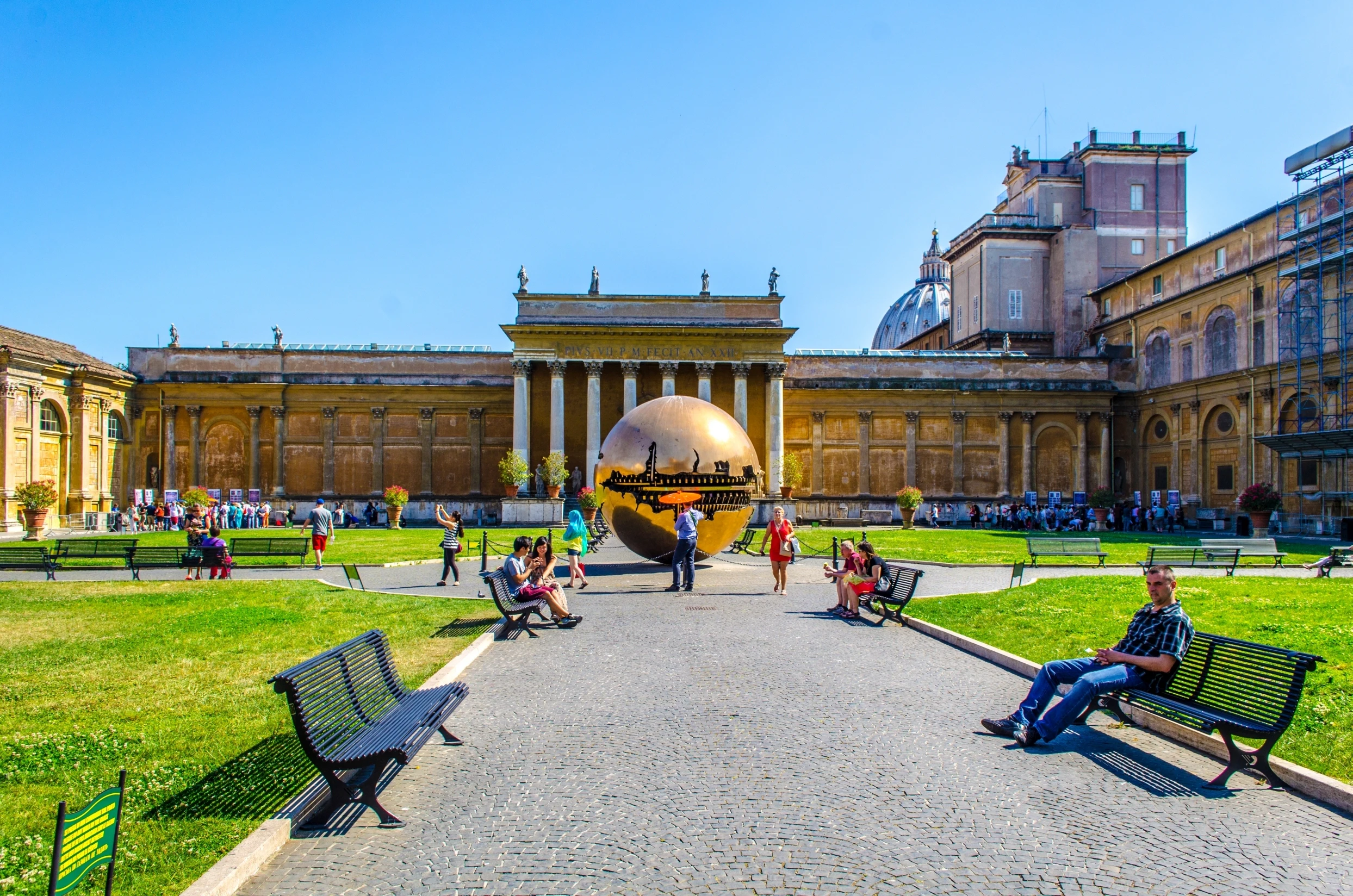
Vatican Museums
Catch a glimpse of one of the greatest art collections in the world, including Michelangelo’s famed Sistine Chapel. Save up to 20% on various tickets and explore the best things to do in Rome.

Colosseum
Visit Rome’s impressive Colosseum, once home to gladiators and chariots; book admission online early due to high demand. Save up to 20% on various tickets and explore the best things to do in Rome.

Rome Self-Guided Tours
Unleash the Secrets of Rome at Your Own Pace with Our Self-Guided. Book Rome Self-Guided Tours tickets online to get the best out of your trip.

MagicLand
Discover top things to do in Valmontone. Enjoy up to 20% off tickets to MagicLand and other attractions.