London Travel Guide: Best Time to Visit, Top Attractions, Costs & Tips
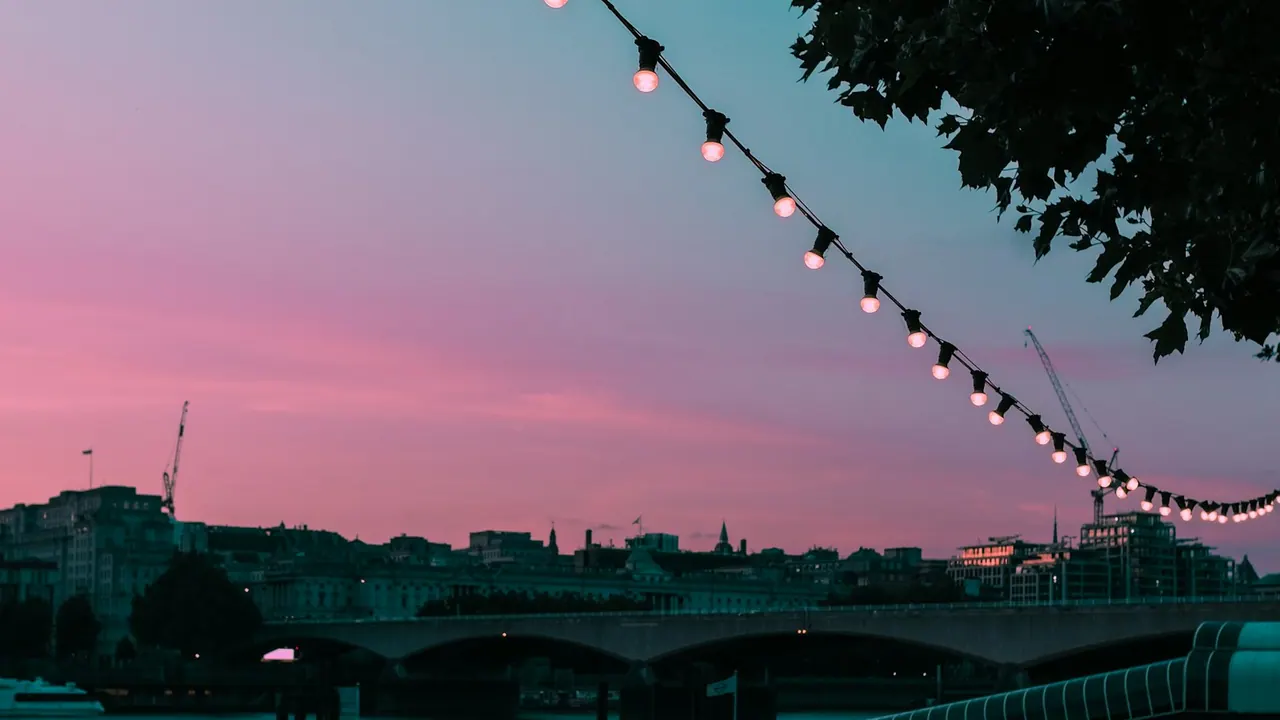
London is one of the world's great cities, a place where 2,000 years of history sit alongside some of the most exciting food, theatre, music and art on the planet. Founded by the Romans as Londinium, it grew into the capital of an empire, and today it's a multicultural metropolis of nearly 9 million people where more than 300 languages are spoken. Many of its best museums are free, its royal palaces and parks are world-famous, and every neighbourhood feels like a different city. This London travel guide covers the best time to visit, top attractions, where to stay, how to get around, realistic daily costs and the latest entry rules, including the UK's Electronic Travel Authorisation (ETA). London isn't cheap, but with smart planning it's one of the most rewarding city breaks in Europe.
Disclosure: This post contains affiliate links. If you book through them, we may earn a small commission at no extra cost to you.
Best Time to Visit London
London has a mild, changeable maritime climate. It rarely gets very hot or very cold, but rain can fall at any time of year.
Spring (March–May) is one of the best times to visit. Parks burst into bloom, temperatures rise from around 10°C to 18°C, and crowds are lighter than in summer. Easter weekends can be busy.
Summer (June–August) is peak season. Temperatures usually range from 20°C to 25°C, with occasional heatwaves above 30°C. Days are long, and the city is full of open-air events, festivals and outdoor theatre. Hotel prices are at their highest, and major attractions get crowded.
Autumn (September–November) brings crisp air, autumn colours in the Royal Parks and a busy cultural season. September is often warm and dry, making it an excellent alternative to summer.
Winter (December–February) is cold and damp, with temperatures around 3–9°C and short days. December is magical with Christmas lights, markets and ice rinks, while January and February offer the lowest hotel prices and quieter museums.
Top Places to Visit in London
1. Tower of London and Tower Bridge
Founded by William the Conqueror in 1066, the Tower of London has been a royal palace, fortress, prison and treasury. Today, it's home to the Crown Jewels and the famous Yeoman Warders ("Beefeaters"). Next door, Tower Bridge's glass-floored walkways offer great views over the Thames.
2. Westminster Abbey, Big Ben and the Houses of Parliament
Westminster Abbey has hosted coronations since 1066 and royal weddings for centuries. Across the road stand the Houses of Parliament and the Elizabeth Tower, home to Big Ben. Guided tours of Parliament are available on selected days.
3. Buckingham Palace
The official London residence of the monarch is famous for the Changing of the Guard ceremony, which takes place on set days throughout the year. In summer, the State Rooms usually open to visitors. The surrounding St James's Park and Green Park are perfect for a stroll.
4. The British Museum
One of the world's greatest museums, the British Museum houses treasures such as the Rosetta Stone, the Parthenon Sculptures and Egyptian mummies. General admission is free.
5. South Bank and the London Eye
A walk along the South Bank takes you past the London Eye, the Southbank Centre, Shakespeare's Globe and Tate Modern, Britain's national museum of modern art (free entry to the main collection). Borough Market, one of London's oldest food markets, is just a short walk away.
6. Natural History Museum and South Kensington
South Kensington's "museum mile" includes the Natural History Museum, the Science Museum and the Victoria and Albert Museum, all free for their main collections and perfect for families.
7. Camden, Notting Hill and Covent Garden
London's neighbourhoods are attractions in their own right. Explore Camden Market's alternative stalls and street food, Notting Hill's pastel houses and Portobello Road market, and Covent Garden's street performers and West End theatres.
Where to Stay in London
London is huge, so choosing a well-connected area saves a lot of time.
- Westminster and the West End: Ideal for first-time visitors, close to major sights, theatres and shopping. Expect high prices.
- South Kensington and Kensington: Elegant and safe, near world-class museums and Hyde Park. Great for families.
- Bloomsbury: Central, quieter and near the British Museum, with good-value mid-range hotels.
- South Bank and Southwark: Riverside views, close to Tate Modern, Borough Market and London Bridge.
- Shoreditch: Trendy, with street art, bars, restaurants and a younger crowd.
- King's Cross: Excellent transport links, including Eurostar at St Pancras, and a regenerated canal-side area.
Accommodation ranges from budget hostels to iconic luxury hotels. Book early for summer and major events.
Getting There & Around
Flying to London
London is served by six airports: Heathrow (LHR), Gatwick (LGW), Stansted (STN), Luton (LTN), London City (LCY) and Southend (SEN). Heathrow and Gatwick handle most long-haul flights, while Stansted and Luton are popular with low-cost airlines.
From Heathrow, the Elizabeth line and Piccadilly line run into central London, and the Heathrow Express reaches Paddington in about 15 minutes. Gatwick, Stansted and Luton are linked to central London by express trains and coaches.
By Train
The Eurostar connects London St Pancras with Paris, Brussels and other destinations. Domestic trains link London with Edinburgh, Manchester, Bath, Oxford and Cambridge.
Getting Around London
- The Underground (Tube): The fastest way to get around, with some lines running 24 hours on Friday and Saturday nights.
- Contactless payment: Tap a contactless bank card or phone on readers to pay; daily and weekly fare caps make this cheaper than single tickets. An Oyster card works the same way.
- Buses: London's red buses are cheap, and a bus fare includes unlimited bus and tram journeys within one hour.
- Elizabeth line and Overground: Fast cross-city rail connections.
- Walking and cycling: Central London is very walkable, and Santander Cycles bike hire is widely available.
- River boats: Uber Boat by Thames Clippers offers scenic travel along the Thames.
Travel Costs in London
London is one of Europe's most expensive cities. The currency is the British pound (GBP). Card and contactless payments are accepted almost everywhere.
| Travel style | Accommodation | Food & drink | Transport & sights | Daily total |
|---|---|---|---|---|
| Budget / hostel | £30–60 | £20–35 | £10–20 | £60–115 |
| Mid-range | £130–250 | £50–90 | £30–70 | £210–410 |
| Luxury | £350–900+ | £120–300 | £100–250 | £570–1,450+ |
Money-saving tips: visit free museums and galleries, use contactless for automatic fare capping, buy theatre tickets on the day or through official discount booths, and eat at markets and pubs.
Visa & Entry Requirements
The UK is not part of the EU or the Schengen Area and has its own immigration system:
- Electronic Travel Authorisation (ETA): Most visa-exempt visitors, including EU, US, Canadian and Australian citizens, now need an ETA before travelling to the UK. The fee rose to £20 for applications from 8 April 2026. An ETA allows multiple visits of up to six months each and is valid for two years or until your passport expires, whichever comes first. Apply via the official UK government app or website only.
- Irish citizens do not need an ETA.
- Passports: Most EU, EEA and Swiss citizens can no longer use national ID cards to enter the UK and need a valid passport.
- Visa nationals: Citizens of countries that require a visa must apply for a UK Standard Visitor visa in advance.
- Arriving from Ireland: Even within the Common Travel Area, most non-Irish visitors still need an ETA.
An ETA does not guarantee entry. Always check the official GOV.UK website before you travel, as rules and fees can change.
Local Tips for London
- Stand on the right: On Tube escalators, stand on the right and walk on the left.
- Mind the gap and the queue: Queuing is taken seriously, so wait your turn.
- Tipping: Many restaurants add a 12.5% service charge. If not, around 10–12.5% is customary for good service. Tipping in pubs isn't expected.
- Bring layers and an umbrella: London weather changes quickly.
- Safety: London is generally safe, but watch for pickpockets in crowded areas and phone snatchers on bikes or scooters.
- Free views: Sky Garden offers free (bookable) access to a rooftop garden with city views.
- Staying connected: Since Brexit, many EU mobile plans charge roaming fees in the UK, and costs for travellers from outside Europe can be high. A travel eSIM is a simple solution.
Tours & Experiences
- Hop-on hop-off bus tour: A convenient way to see the major sights on a first visit.
- Thames river cruise: Enjoy London's landmarks from the water.
- West End show: Catch a world-class musical or play in Theatreland.
- Harry Potter studio tour: Visit the Warner Bros. Studio Tour near Watford, one of London's most popular day trips.
- Day trips: Explore Windsor Castle, Stonehenge and Bath, Oxford, Cambridge or the Cotswolds.
Browse and book the best tours and tickets in London here.
FAQ
Do I need an ETA to visit London?
Most visa-exempt visitors, including EU, US, Canadian and Australian citizens, need a UK ETA before travelling. It costs £20 and is valid for two years or until your passport expires. Irish citizens are exempt.
How many days do you need in London?
Four to five days are ideal to see the major attractions, explore a few neighbourhoods and take a day trip. Three days are enough for the highlights.
What is the best time to visit London?
Late spring (May–June) and early autumn (September) offer pleasant weather and slightly fewer crowds than July and August.
Is London expensive?
Yes, London is one of Europe's most expensive cities. Budget travellers should plan for around £60–115 per day, while mid-range travellers typically spend £210–410.
Which London airport is closest to the city centre?
London City Airport is the closest to central London. Heathrow has the most international connections and is linked to the centre by the Tube, the Elizabeth line and Heathrow Express.
Conclusion
London packs royal history, free world-class museums, green parks and an unmatched food and theatre scene into one sprawling, multicultural capital. Whether you're exploring the Tower of London, strolling the South Bank or catching a West End show, it rewards every kind of traveller.
Plan ahead: book your tours, tickets and day trips online (See more), and get ready to discover one of the world's great cities.