Valencia, Spain: Travel Guide to the Birthplace of Paella and the City of Arts and Sciences
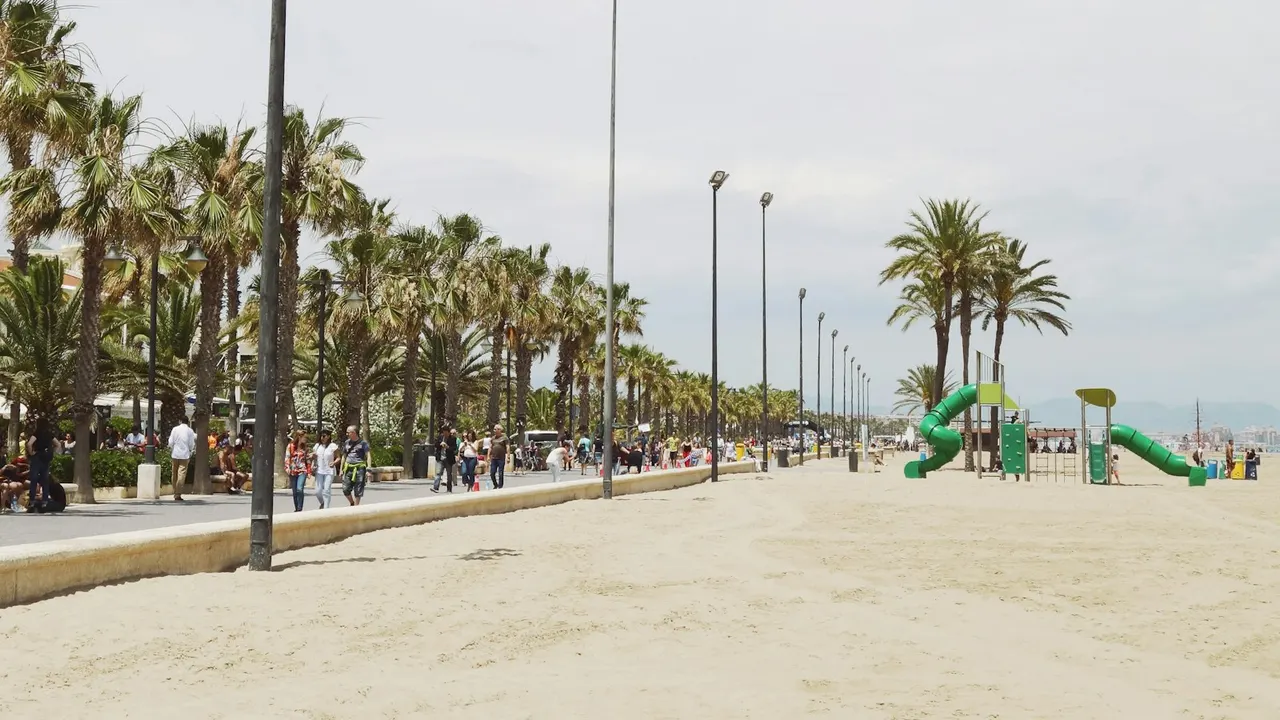
Valencia, Spain's third-largest city, combines a medieval old town with some of the most futuristic architecture in Europe. It's the birthplace of paella, home to one of Spain's most spectacular festivals and blessed with long sandy beaches and a mild Mediterranean climate. Add a nine-kilometre park built in a former riverbed, and you have a city that's relaxed, green and full of surprises.
Top 5 Must-Visit Attractions in Valencia
1. City of Arts and Sciences
The City of Arts and Sciences (Ciutat de les Arts i les Ciències) is a striking complex of futuristic buildings designed largely by Valencian architect Santiago Calatrava, set among shallow pools of turquoise water. It includes the Hemisfèric, shaped like a giant eye, with an IMAX cinema and planetarium; the Science Museum, with interactive exhibits; the Palau de les Arts, an opera house; and the Oceanogràfic, the largest aquarium in Europe, with sharks, beluga whales, penguins and dolphins.
Booking tip: Combined tickets for the Oceanogràfic, Hemisfèric and Science Museum offer good value. Book online online (See more) to skip the queues, especially in summer.
2. Valencia Cathedral, the Holy Grail and the Miguelete
Valencia Cathedral, built mainly between the 13th and 15th centuries on the site of a former mosque, blends Romanesque, Gothic and Baroque styles. Its most famous treasure is a carved agate cup kept in the Chapel of the Holy Grail, venerated by many as the chalice used by Christ at the Last Supper. Climb the 207 steps of the Miguelete, the cathedral's octagonal bell tower, for panoramic views of the old town. Outside, every Thursday at noon, the Water Tribunal, one of the oldest courts in Europe, meets at the cathedral's Apostles' Door to settle irrigation disputes among farmers, a tradition recognised by UNESCO.
Booking tip: Tickets for the cathedral include an audio guide. A guided walking tour online (See more) combines the cathedral with the old town's other highlights.
3. La Lonja de la Seda and the Central Market
La Lonja de la Seda (Silk Exchange), built in the late 15th century, is a masterpiece of Gothic civil architecture and a UNESCO World Heritage Site. Its Hall of Columns features twisted pillars rising like palm trees to a vaulted ceiling. Across the street, the Central Market, a stunning Modernist building completed in 1928, is one of the largest fresh food markets in Europe, with hundreds of stalls selling fruit, vegetables, seafood, cured ham and local specialties.
Booking tip: Entry to La Lonja is inexpensive. Visit the Central Market in the morning, and consider a food tour online (See more).
4. Turia Gardens and Malvarrosa Beach
After a devastating flood in 1957, the River Turia was diverted, and its old riverbed was transformed into the Turia Gardens, a nine-kilometre park that winds through the city. It's perfect for walking, cycling and jogging, with playgrounds, sports fields and gardens. The park leads towards the City of Arts and Sciences and, beyond, to Malvarrosa Beach, a wide sandy beach lined with restaurants.
Booking tip: Rent a bike to explore the gardens, or join a guided bike tour online (See more).
5. Albufera Natural Park and Paella
Just south of the city, the Albufera Natural Park is a freshwater lagoon surrounded by rice fields, the birthplace of paella. The park is also an important habitat for birds, including herons, egrets and flamingos. Take a traditional flat-bottomed boat ride across the lagoon at sunset, when the water turns gold and pink, then enjoy an authentic paella in the village of El Palmar, where restaurants cook it slowly over wood fires in wide, shallow pans.
Booking tip: Tours with boat rides and paella lunches are available online (See more).
Practical Travel Tips for Valencia
Getting Around
- From the airport: metro lines connect the airport with the city centre.
- By train: high-speed trains connect Valencia with Madrid in about two hours.
- Metro, trams and buses: cover the whole city.
- Bikes: Valencia is flat and bike-friendly.
- On foot: the old town is compact and walkable.
Local Culinary Specialties
- Paella valenciana: the original recipe uses chicken, rabbit, green beans and butter beans, not seafood.
- Horchata: a refreshing drink made from tiger nuts, served with fartons (sweet pastries).
- Agua de Valencia: a cocktail of cava, orange juice, vodka and gin.
- Arroz a banda: rice cooked in fish stock.
- All i pebre: a traditional eel stew from the Albufera.
Best Time to Visit
- March: the Fallas festival, recognised by UNESCO, when giant satirical sculptures fill the streets before being burned on the night of 19 March; book accommodation months ahead.
- Spring and autumn: pleasant temperatures, ideal for sightseeing and cycling.
- Summer: beach season, with warm sea temperatures.
Conclusion: Plan Your Trip to Valencia
Valencia combines futuristic architecture, medieval history, beaches and delicious food. Whether you're exploring the City of Arts and Sciences, climbing the Miguelete or enjoying paella in the Albufera, it's a city that has it all.
Plan ahead: book your tickets and tours online (See more), and get ready to discover Valencia.
Explore more of Spain: continue to Tenerife, Alicante or Toledo, or read the full Spain travel guide.
Frequently Asked Questions
How many days in advance should I book tours in Valencia?
There's no single rule for every tour in Valencia, but as a general guideline, book your must-see experiences several days to a week in advance, and treat anything with limited daily capacity, such as timed entries, as a priority to secure early.
Do I need to print my e-tickets for attractions in Valencia?
Generally not, since mobile tickets work for almost everything in Valencia, so showing your QR code on your phone is enough at the entrance. Just make sure your battery doesn't run out beforehand, and keep a saved screenshot as a backup.
Where do most walking tours and excursions in Valencia start?
Tour operators in Valencia commonly use the area around City of Arts and Sciences as a starting point, since it's central and recognisable. Always double-check the exact meeting point on your voucher, as it can vary slightly between tour providers.
What should I know before visiting City of Arts and Sciences in Valencia?
If City of Arts and Sciences is on your list in Valencia, reserve your ticket in advance when that option exists, and plan around the quieter early morning or late afternoon hours rather than midday. Opening times can vary by season, so it's worth confirming them close to your visit date.