Palma de Mallorca, Spain: Travel Guide to the Balearic Capital of Cathedrals, Castles and Coves
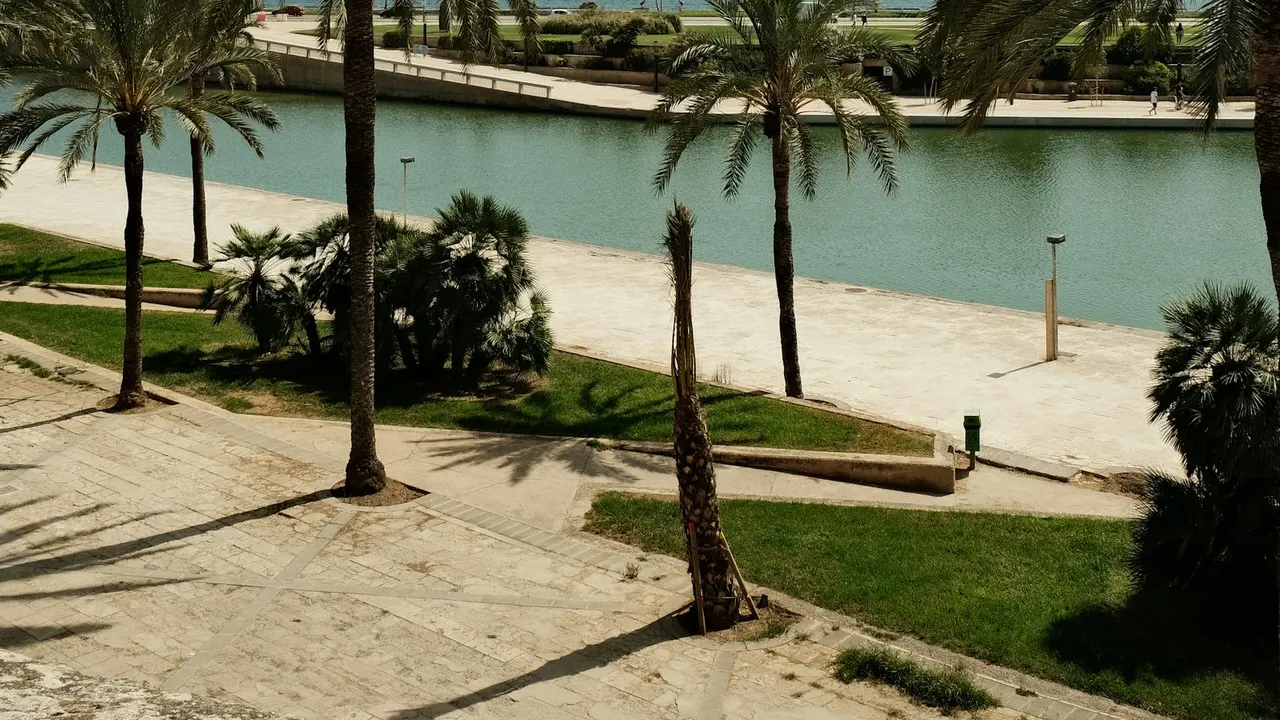
Palma, the capital of Mallorca, is far more than a gateway to the island's beaches. Its majestic Gothic cathedral rises above the bay, its old town hides elegant courtyards and Arab baths, and a vintage wooden train still winds through the mountains to the north. With the UNESCO-listed Serra de Tramuntana on its doorstep and a lively food and art scene, Palma combines Mediterranean city life with easy access to some of Spain's most beautiful landscapes.
Top 5 Must-Visit Attractions in Palma de Mallorca
1. La Seu Cathedral
The Cathedral of Santa Maria of Palma, known locally as La Seu, dominates the waterfront with its soaring Gothic buttresses. Construction began in the 13th century, after King James I of Aragon conquered the island from the Moors, and continued for centuries. Inside, its enormous rose window is one of the largest Gothic rose windows in the world, filling the nave with coloured light on sunny mornings. In the early 20th century, Antoni Gaudí was invited to renovate the interior and designed a striking wrought-iron canopy over the altar. Contemporary Mallorcan artist Miquel Barceló later transformed one of the chapels with a dramatic ceramic mural.
Booking tip: Queues can be long in summer and when cruise ships are in port. Book tickets online online (See more) or the official site, and consider a rooftop terrace tour, which offers spectacular views of the bay.
2. Bellver Castle
Perched on a forested hill west of the city centre, Bellver Castle is one of the few circular castles in Europe. Built in the early 14th century for King James II of Mallorca, it has served as a royal residence, a military fortress and a prison. Today, it houses the city's history museum. Its rooftop terrace offers some of the best panoramic views of Palma, the cathedral, the port and the mountains.
Booking tip: Tickets are inexpensive and sold at the entrance. The walk up through the pine forest is pleasant, but a taxi or the tourist bus saves time on hot days.
3. Old Town, Royal Palace of La Almudaina and the Arab Baths
Next to the cathedral, the Royal Palace of La Almudaina was originally a Moorish fortress, later converted into the residence of the kings of Mallorca. It's still used by the Spanish royal family for official ceremonies, and visitors can tour its Gothic halls and royal apartments. Behind it, the old town is a maze of narrow streets lined with grand mansions, many with beautiful hidden courtyards (patios). The Arab Baths, dating from the 10th century, are one of the few remaining traces of the Moorish city.
Booking tip: A guided walking tour online (See more) helps you discover the old town's hidden courtyards and history.
4. Sóller Train
The Ferrocarril de Sóller, opened in 1912, is a vintage train with wooden carriages that travels from Palma through the Serra de Tramuntana to the town of Sóller, passing through tunnels and orange groves. In Sóller, a historic tram continues to the seaside village of Port de Sóller.
Booking tip: Train tickets can be booked online. Combined tours online (See more) include the train, tram and a boat trip along the coast.
5. Valldemossa and the Serra de Tramuntana
The Serra de Tramuntana, a UNESCO World Heritage Site since 2011, is a dramatic mountain range along Mallorca's northwest coast. The village of Valldemossa is famous for its Carthusian Monastery, where composer Frédéric Chopin and writer George Sand spent the winter of 1838–1839. Nearby, the village of Deià, with its honey-coloured stone houses tumbling down towards the sea, has long been a favourite with artists and writers, including the poet Robert Graves.
Booking tip: Guided tours from Palma online (See more) combine Valldemossa, Deià and other mountain villages.
Practical Travel Tips for Palma de Mallorca
Getting Around
- From the airport: buses connect the airport with the city centre in about 20 minutes.
- City buses: cover Palma and nearby beaches.
- Intercity buses: connect Palma with towns across the island.
- Car rental: useful for exploring the island.
- On foot: the old town is compact and walkable.
Local Culinary Specialties
- Ensaïmada: a spiral-shaped pastry dusted with powdered sugar.
- Sobrasada: a soft, spreadable cured sausage seasoned with paprika.
- Pa amb oli: bread with olive oil, tomato and toppings.
- Tumbet: a vegetable dish similar to ratatouille.
- Mallorcan wines: produced in the island's vineyards.
Best Time to Visit
- Spring (April–June): pleasant weather and fewer crowds.
- Autumn (September–October): warm sea temperatures.
- February: almond blossom season.
- Summer: hot and crowded.
Conclusion: Plan Your Trip to Palma de Mallorca
Palma combines Gothic splendour, Moorish heritage, mountain scenery and Mediterranean charm. Whether you're exploring La Seu, riding the Sóller train or visiting Valldemossa, it's a perfect island escape.
Plan ahead: book your cathedral tickets and tours online (See more), and get ready to discover Palma de Mallorca.
Explore more of Spain: continue to Valencia, Tenerife or Alicante, or read the full Spain travel guide.
Frequently Asked Questions
How many days in advance should I book tours in Palma de Mallorca?
In Palma de Mallorca, popular attractions and tours can fill up fast during peak travel dates, so booking about a week ahead is a safe margin if you have fixed dates. Outside peak season, 2-3 days' notice is usually enough for most activities.
Do I need to print my e-tickets for attractions in Palma de Mallorca?
No, printing isn't required for most bookings in Palma de Mallorca, since your mobile ticket or voucher QR code is accepted at the vast majority of venues and tours. A few specific attractions may ask for a printed voucher, which is always noted clearly on your ticket beforehand.
Where do most walking tours and excursions in Palma de Mallorca start?
Many tours in Palma de Mallorca set their meeting point close to La Seu Cathedral, since it's easy to find and a natural starting landmark, though the exact spot is always confirmed on your booking voucher. Arrive a little early, especially during busy periods.
What should I know before visiting La Seu Cathedral in Palma de Mallorca?
La Seu Cathedral is one of the top reasons travellers visit Palma de Mallorca, so book ahead where possible and check current opening hours before you go, as they can shift with the season. Early morning or late afternoon visits tend to be quieter and more comfortable than the midday rush.