Seville, Spain: Travel Guide to the Heart of Andalusia, Flamenco and Orange-Scented Streets
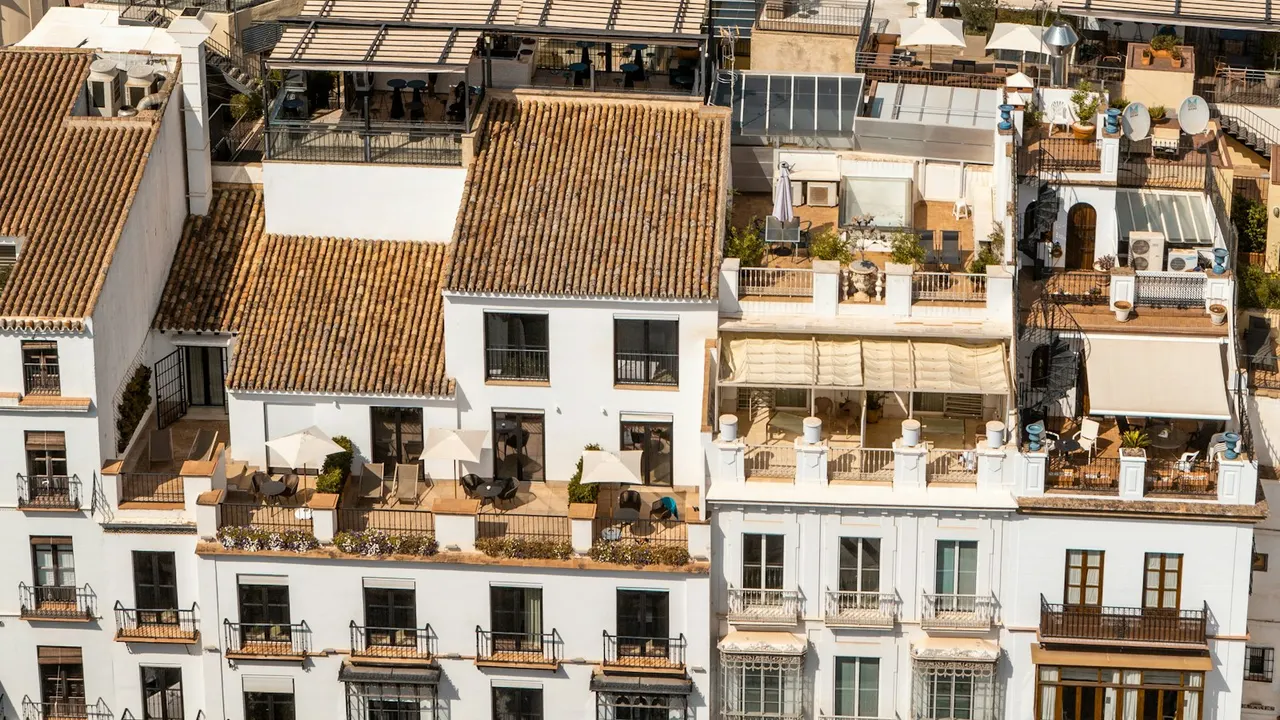
Seville is the passionate capital of Andalusia, a city of flamenco, orange trees, tiled courtyards and grand monuments that tell the story of Moorish rule and Spain's golden age of exploration. Its historic centre is one of the largest in Europe, and its royal palace, cathedral and archive are listed together as a UNESCO World Heritage Site. With lively tapas bars, spectacular festivals and a romantic atmosphere, Seville is the essence of southern Spain.
Top 5 Must-Visit Attractions in Seville
1. Real Alcázar
The Real Alcázar is one of the most beautiful royal palaces in Europe and the oldest royal palace still in use. Originally a Moorish fortress, it was transformed in the 14th century by King Pedro I of Castile, who commissioned Muslim craftsmen to build a palace in the Mudéjar style, blending Islamic and Christian art. Highlights include the Courtyard of the Maidens, with its long reflecting pool, the richly decorated Ambassadors' Hall with its golden dome, and extensive gardens filled with fountains, palm trees and peacocks. Fans of Game of Thrones may recognise the palace as the Water Gardens of Dorne.
Booking tip: The Alcázar is Seville's most popular attraction, and tickets sell out quickly. Book a timed ticket online online (See more) or the official site, and consider a guided tour to understand the palace's history and architecture.
2. Seville Cathedral and the Giralda
Seville Cathedral is the largest Gothic cathedral in the world. It was built in the 15th and 16th centuries on the site of the city's former Great Mosque. Inside, you'll find a vast golden altarpiece, one of the largest in the world, and the monumental tomb of Christopher Columbus, carried by four figures representing the kingdoms of Spain. The cathedral's bell tower, the Giralda, was originally the mosque's minaret. Instead of stairs, it has 35 ramps, designed so that the muezzin could ride up on horseback. The views from the top are spectacular.
Booking tip: Buy tickets online to skip the queue, and combine your visit with the Alcázar on a guided tour from our partner site (See more).
3. Plaza de España and María Luisa Park
The Plaza de España, built for the 1929 Ibero-American Exposition, is one of the most spectacular squares in Spain. Its semicircular building, decorated with colourful ceramic tiles, features alcoves representing each Spanish province, a canal crossed by tiled bridges, and fountains. It has appeared in films such as Lawrence of Arabia and Star Wars. Next door, María Luisa Park is a lush green space with fountains, ponds and pavilions.
Booking tip: Entry is free. Rent a rowing boat on the canal or take a horse-drawn carriage ride around the park.
4. Barrio Santa Cruz and the Metropol Parasol
The Barrio Santa Cruz, the former Jewish quarter, is a maze of narrow, whitewashed streets, flower-filled balconies and charming squares. Hidden among the lanes are the Callejón del Agua, running along the walls of the Alcázar, and the tiny Plaza de Santa Cruz, where locals gather in the evenings. A short walk away, the Metropol Parasol, also known as Las Setas ("the mushrooms"), is a huge wooden structure completed in 2011. A rooftop walkway offers panoramic views of the city, especially at sunset, while the basement displays Roman remains discovered during construction.
Booking tip: Tickets for the Metropol Parasol rooftop are available online and on site.
5. Triana and Flamenco
Across the Guadalquivir River, the Triana neighbourhood is famous for its ceramics workshops, tapas bars and flamenco traditions. Visit the Triana Market, built on the ruins of the Castle of San Jorge, and catch a flamenco show, either in a traditional tablao or at the Flamenco Dance Museum.
Booking tip: Flamenco shows are popular, so book in advance online (See more).
Practical Travel Tips for Seville
Getting Around
- From the airport: an airport bus connects with the city centre.
- By train: high-speed trains connect Seville with Madrid in about two and a half hours.
- Metro and tram: cover parts of the city.
- On foot: the historic centre is best explored on foot.
- Bikes: Seville has an extensive network of bike lanes.
Local Culinary Specialties
- Salmorejo and gazpacho: chilled tomato soups, perfect for hot days.
- Espinacas con garbanzos: spinach and chickpeas, a Moorish-influenced dish.
- Pescaíto frito: fried fish.
- Jamón ibérico: cured ham from acorn-fed pigs.
- Tinto de verano: red wine mixed with lemon soda.
Best Time to Visit
- Spring (March–May): Holy Week processions, the Feria de Abril and the scent of orange blossom; book accommodation early.
- Autumn (October–November): pleasant temperatures and fewer crowds.
- Winter: mild and sunny, ideal for sightseeing.
- Summer: extremely hot, often over 40°C; sightsee early and rest during the afternoon, like the locals.
Conclusion: Plan Your Trip to Seville
Seville combines Moorish splendour, Gothic grandeur, flamenco passion and delicious food. Whether you're exploring the Real Alcázar, climbing the Giralda or watching a flamenco show in Triana, it's a city that will enchant you.
Plan ahead: book your Alcázar and cathedral tickets online (See more), and get ready to discover Seville.
Explore more of Spain: continue to Granada, Málaga or Palma de Mallorca, or read the full Spain travel guide.
Frequently Asked Questions
How many days in advance should I book tours in Seville?
In Seville, popular attractions and tours can fill up fast during peak travel dates, so booking about a week ahead is a safe margin if you have fixed dates. Outside peak season, 2-3 days' notice is usually enough for most activities.
Do I need to print my e-tickets for attractions in Seville?
No, printing isn't required for most bookings in Seville, since your mobile ticket or voucher QR code is accepted at the vast majority of venues and tours. A few specific attractions may ask for a printed voucher, which is always noted clearly on your ticket beforehand.
Where do most walking tours and excursions in Seville start?
Many tours in Seville set their meeting point close to Real Alcázar, since it's easy to find and a natural starting landmark, though the exact spot is always confirmed on your booking voucher. Arrive a little early, especially during busy periods.
What should I know before visiting Real Alcázar in Seville?
Real Alcázar is one of the top reasons travellers visit Seville, so book ahead where possible and check current opening hours before you go, as they can shift with the season. Early morning or late afternoon visits tend to be quieter and more comfortable than the midday rush.