Glarus Canton Travel Guide: Glarus, Alpine Lakes and Switzerland's Living Democracy
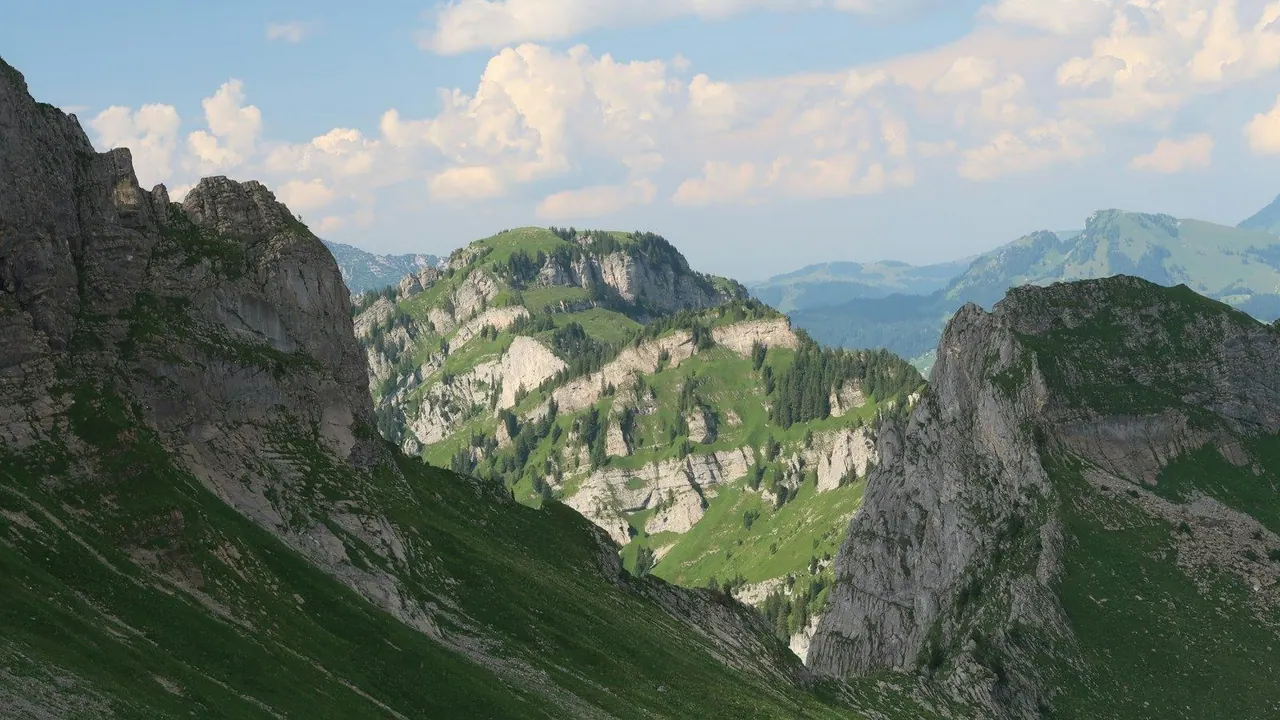
Glarus is a narrow, steep-sided valley canton where mountains rise straight from the valley floor, giving it a dramatic, almost fjord-like character. It's one of only two cantons that still hold an open-air Landsgemeinde, where citizens vote by raising their hands in the town square. With turquoise lakes, car-free mountain villages and a UNESCO-listed geological wonder, Glarus is one of Switzerland's best-kept secrets, just an hour from Zurich.
Top 5 Must-Visit Attractions in the Canton of Glarus
1. Glarus Town and the Landsgemeinde
The town of Glarus looks different from most Swiss towns: after a devastating fire in 1861 destroyed much of the centre, it was rebuilt on a regular grid with wide streets and stately neoclassical buildings, all framed by the towering Glärnisch massif. Every year on the first Sunday in May, the Landsgemeinde takes place on the Zaunplatz. Thousands of citizens gather in a ring to debate and vote on cantonal laws by raising their voting cards, a tradition dating back to the Middle Ages and one of the purest forms of direct democracy in the world. Visitors are welcome to watch from designated areas outside the ring.
Booking tip: Accommodation fills up around the Landsgemeinde weekend, so book early. Glarnerland Tourism offers guided walks explaining the town's reconstruction and democratic traditions.
2. Klöntalersee
West of Glarus, the Klöntalersee is a stunning mountain lake framed by the steep north face of the Glärnisch. Its colour shifts from deep green to turquoise depending on the light, and on calm days the mountains reflect perfectly in the water. A trail circles part of the lake, and in summer you can swim, rent a boat or camp at its western end near Vorauen. The road along the lake continues to the remote Pragel Pass.
Booking tip: The lake is free to visit, but parking and buses can get busy on summer weekends. Check the seasonal bus timetable from Glarus and consider a guided hike online (See more) or local guides to explore the surrounding trails.
3. Braunwald
High on a sunny terrace above Linthal, Braunwald is a car-free mountain village reached only by funicular. It's a favourite with families, thanks to the Zwergenweg (Dwarf Trail), where children follow a fairy-tale story through forests and meadows. In summer, hiking trails, a via ferrata and alpine lakes like the Oberblegisee attract outdoor lovers, while in winter Braunwald offers family-friendly skiing and sledding.
Booking tip: Funicular and lift tickets can be bought online. Via ferrata routes are best done with a certified guide, which can be booked in advance through local mountain guide services.
4. Elm and the Tectonic Arena Sardona
The village of Elm, in the Sernf Valley, is known for its well-preserved wooden houses and for the Glarus Thrust, part of the Swiss Tectonic Arena Sardona, a UNESCO World Heritage Site since 2008. Here, a clearly visible line in the mountains shows where older rock layers were pushed on top of younger ones during the formation of the Alps, making it a key site for geologists. Above the village, a natural hole in the Tschingelhörner, called the Martinsloch, allows sunlight to shine through onto Elm's church twice a year, in March and around early October, a phenomenon that draws crowds.
Booking tip: Guided geology hikes help you understand this unique landscape. Book through local tourism offices or nature guides, and check the Martinsloch dates in advance.
5. Freulerpalast in Näfels
In Näfels, the Freulerpalast is one of Switzerland's most beautiful early Baroque palaces, built in the 17th century for Colonel Kaspar Freuler, a commander of the Swiss Guards in France. Today it houses the Museum of the Canton of Glarus, with richly panelled rooms, historic stoves and exhibitions on the canton's history, including its textile industry and the famous Battle of Näfels in 1388, still commemorated each April with a traditional pilgrimage.
Booking tip: Buy museum tickets online and check for guided tours of the palace's historic rooms.
Practical Travel Tips for the Canton of Glarus
Regional Transport
- Trains connect Glarus to Zurich in about one hour, usually via Ziegelbrücke.
- Regional trains run through the valley to Linthal, the base for the Braunwald funicular.
- The Swiss Travel Pass covers trains, buses and many local transport services and grants free entry to many museums.
- Postal buses serve side valleys like the Sernf Valley and the Klöntal.
Local Culinary Specialties
- Glarner Schabziger: a pungent green cheese flavoured with blue fenugreek, one of the oldest branded food products in Switzerland.
- Zigerhörnli: pasta tossed with grated Schabziger and butter.
- Glarner Kalberwurst: a delicate veal sausage, served with prune sauce and mashed potatoes.
- Glarner Pastete: a puff-pastry tart filled with almond paste and plum purée.
Best Time to Visit
- Early May: the Landsgemeinde on the first Sunday of the month.
- Summer (June–September): hiking, lake swimming and via ferratas.
- Autumn: golden forests and the Martinsloch phenomenon in early October.
- Winter: skiing and sledding in Braunwald and Elm.
Conclusion: Plan Your Glarus Adventure
Glarus combines direct democracy, dramatic alpine scenery and fascinating geology in a compact, authentic package. Whether you're watching the Landsgemeinde, swimming in the Klöntalersee or exploring car-free Braunwald, it offers a genuine Swiss experience without the crowds.
Plan ahead: check the Landsgemeinde and Martinsloch dates, book your accommodation early, and reserve your guided hikes and mountain tickets online to make the most of your trip.
Explore more of Switzerland: continue to Chur, Delémont or Neuchâtel, or read the full Switzerland travel guide.
Frequently Asked Questions
How many days in advance should I book tours in Glarus?
In Glarus, popular attractions and tours can fill up fast during peak travel dates, so booking about a week ahead is a safe margin if you have fixed dates. Outside peak season, 2-3 days' notice is usually enough for most activities.
Do I need to print my e-tickets for attractions in Glarus?
No, printing isn't required for most bookings in Glarus, since your mobile ticket or voucher QR code is accepted at the vast majority of venues and tours. A few specific attractions may ask for a printed voucher, which is always noted clearly on your ticket beforehand.
Where do most walking tours and excursions in Glarus start?
Many tours in Glarus set their meeting point close to Glarus Town and the Landsgemeinde, since it's easy to find and a natural starting landmark, though the exact spot is always confirmed on your booking voucher. Arrive a little early, especially during busy periods.
What should I know before visiting Glarus Town and the Landsgemeinde in Glarus?
Glarus Town and the Landsgemeinde is one of the top reasons travellers visit Glarus, so book ahead where possible and check current opening hours before you go, as they can shift with the season. Early morning or late afternoon visits tend to be quieter and more comfortable than the midday rush.