Ankara Travel Guide: Best Time to Visit, Things to Do, Costs & Tips
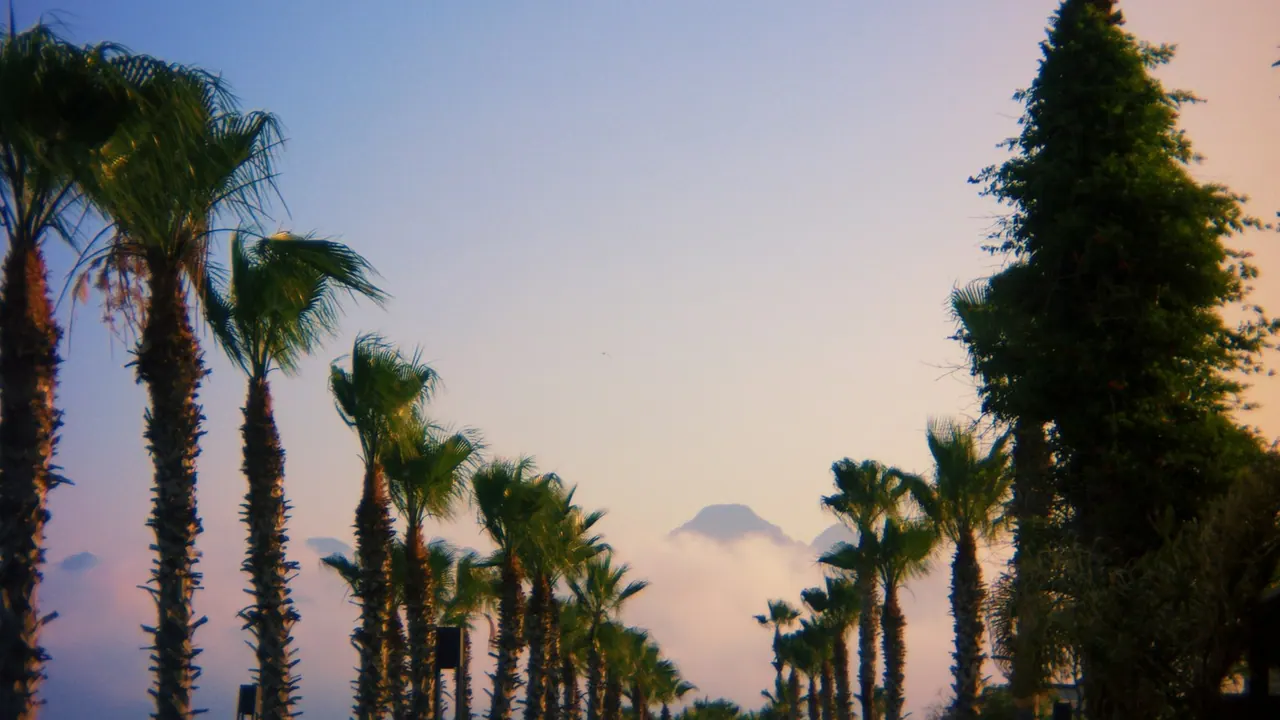
Ankara is Turkey's capital and the political heart of the modern republic. While Istanbul draws most of the attention, Ankara offers a different perspective on Turkey: a city of broad boulevards, government buildings and universities, set on the Anatolian plateau and steeped in history that stretches back to the Hittites, Phrygians, Romans and Ottomans. It's home to Anıtkabir, the monumental mausoleum of Mustafa Kemal Atatürk, founder of modern Turkey, and the Museum of Anatolian Civilizations, one of the world's finest archaeological museums. Ankara is also a convenient gateway to Cappadocia and the heart of Anatolia.
Disclosure: This post contains affiliate links. If you book through them, we may earn a small commission at no extra cost to you.
Best Time to Visit Ankara
Ankara lies at about 940 metres above sea level and has a continental climate, with hot, dry summers and cold, snowy winters.
Spring (April–June) is one of the best times to visit, with temperatures from about 15°C to 26°C and green parks.
Summer (July–August) is hot and dry, with temperatures around 28–33°C, but evenings are cooler thanks to the altitude.
Autumn (September–October) offers pleasant weather and is ideal for combining Ankara with Cappadocia.
Winter (December–February) is cold, with temperatures often below freezing and regular snowfall.
National days: Republic Day (29 October) is celebrated with ceremonies at Anıtkabir and festivities across the city. On 10 November, the anniversary of Atatürk's death, the country observes a moment of silence at 9:05 am.
Top Places to Visit in Ankara
1. Anıtkabir
The monumental mausoleum of Mustafa Kemal Atatürk is Ankara's most important landmark. The complex includes the Hall of Honour, the Lion Road lined with stone lions, and the Atatürk and War of Independence Museum. The changing of the guard is an impressive ceremony. Entry is free.
2. Museum of Anatolian Civilizations
Housed in a restored Ottoman bazaar and caravanserai, this award-winning museum displays artefacts from Anatolia's ancient civilisations, including Hittite reliefs, Phrygian treasures and finds from Çatalhöyük, one of the world's oldest settlements.
3. Ankara Castle (Ankara Kalesi)
The ancient citadel offers panoramic views over the city. Inside its walls, the old Ottoman neighbourhood has restored houses, cafés and craft shops.
4. Hamamönü
This restored historic district features colourful Ottoman wooden houses, traditional cafés, restaurants and souvenir shops. It's especially lively in the evenings.
5. Kocatepe Mosque
One of the largest mosques in Turkey, Kocatepe was completed in 1987 in classical Ottoman style and is a prominent feature of Ankara's skyline.
6. Temple of Augustus and Rome and the Roman Baths
The ruins of the Temple of Augustus feature the Res Gestae Divi Augusti, an important Roman inscription. Nearby are the remains of the Roman Baths.
7. Atakule and Gençlik Park
Atakule tower offers city views and a revolving restaurant, while Gençlik Park is a popular green space with a lake and amusement rides.
Also worth visiting: the Ethnography Museum, the Erimtan Archaeology and Arts Museum, the Rahmi M. Koç Museum, the Haci Bayram Mosque, the War of Independence Museum and Kuğulu Park.
Beyond the City
Ankara is a convenient base for exploring central Anatolia. Cappadocia, with its fairy chimneys, cave hotels and hot-air balloon flights, is about 3.5–4 hours away by bus or car. Ancient Hattusa, the Hittite capital and a UNESCO World Heritage Site, is about 2.5 hours east. Salt Lake (Tuz Gölü) is about 2 hours south. High-speed trains connect Ankara with Istanbul and Konya, home to the Mevlana Museum and the whirling dervishes.
Why Ankara Became the Capital
Until the early 20th century, Ankara (then known as Angora, famous for its goats and fine wool) was a small Anatolian town. During the Turkish War of Independence, Atatürk made it the headquarters of the national movement, and in 1923 it was declared the capital of the new Republic of Turkey, replacing Istanbul. The city was then rebuilt according to modern urban plans, with wide boulevards, parks and government quarters. Today, with a population of more than five million, it's Turkey's second-largest city.
Where to Stay in Ankara
- Kızılay: The city centre, with hotels, shops and excellent public transport.
- Ulus: The historic district, close to the castle, museums and Hamamönü.
- Çankaya and Kavaklıdere: Upscale neighbourhoods with embassies, restaurants and international hotels.
- Tunalı Hilmi: Lively, with cafés, bars and shops.
Getting There & Around
Flying to Ankara
Ankara Esenboğa International Airport (ESB) lies about 28 km northeast of the city centre and has domestic and international flights, including connections via Istanbul.
From the airport, Havaş and BelkoAir shuttle buses run to the city centre in about 30–45 minutes. Taxis are also available.
By Train and Bus
Ankara is the hub of Turkey's high-speed rail network (YHT), with trains to Istanbul (about 4.5–5 hours), Konya, Eskişehir and Sivas. Ankara's large bus terminal (AŞTİ) connects with cities across Turkey, including Cappadocia.
Getting Around Ankara
- Metro and Ankaray: Connect key districts, including Kızılay and AŞTİ.
- Buses: Extensive city bus network. Use the rechargeable AnkaraKart.
- Taxis: Affordable; ensure the meter is used.
- Walking: Ulus and Hamamönü are best explored on foot.
Travel Costs in Ankara
Ankara is generally more affordable than Istanbul. The currency is the Turkish lira (TRY), which has been volatile, so prices in lira change frequently. Cards are widely accepted.
| Travel style | Accommodation | Food & drink | Transport & sights | Daily total |
|---|---|---|---|---|
| Budget / hostel | €15–30 | €10–20 | €3–10 | €28–60 |
| Mid-range | €50–100 | €25–45 | €10–30 | €85–175 |
| Luxury | €120–250 | €60–120 | €40–100 | €220–470 |
Money-saving tips: eat at lokantas (traditional canteens) serving home-style Turkish dishes, and use public transport with an AnkaraKart.
Visa & Entry Requirements
Turkey is not part of the EU or the Schengen Area:
- US, Canadian, UK, Australian and most EU citizens can currently visit Turkey visa-free for up to 90 days within any 180-day period for tourism.
- Some EU citizens can enter with a national ID card, but not all; check your nationality.
- Other nationalities may need an e-Visa from the official website (evisa.gov.tr) or a visa from a Turkish consulate.
- Passport validity: At least 60 days beyond your planned stay is required, and six months is recommended.
- Beware of unofficial e-Visa websites: Use only the official government portal.
Always check official Turkish government sources and your own government's travel advice before departure.
Local Tips for Ankara
- Respect Atatürk: Atatürk is deeply respected in Turkey. Behave respectfully at Anıtkabir and avoid disrespectful comments.
- Dress code: Dress modestly when visiting mosques; women should cover their hair.
- Try local food: Taste Ankara tava (lamb and rice), döner, simit, pide, baklava and Turkish tea.
- Tea culture: Tea (çay) is served everywhere; accepting an offer is a sign of friendship.
- Tipping: Around 5–10% in restaurants is customary.
- Safety: Ankara is generally safe. Avoid demonstrations and political gatherings, and follow local news.
- Staying connected: Turkey is outside the EU, so roaming fees can be high. Note that foreign phones used with a local SIM for more than 120 days must be registered. A travel eSIM is a simple solution for short trips.
Tours & Experiences
- Ankara city tour: Visit Anıtkabir, the Museum of Anatolian Civilizations and Ankara Castle.
- Cappadocia tour: See fairy chimneys, underground cities and cave churches, and take a hot-air balloon ride.
- Hattusa day trip: Explore the ancient Hittite capital.
- Turkish cooking class: Learn to make traditional dishes.
- Salt Lake day trip: Visit one of Turkey's largest lakes, famous for its white salt flats.
Browse and book the best tours from Ankara here.
FAQ
Is Ankara worth visiting?
Yes. Ankara offers Anıtkabir, world-class museums, a historic citadel and an authentic Turkish atmosphere, plus easy access to Cappadocia.
How many days do you need in Ankara?
Two days are enough to see the main sights. Add days for Cappadocia or Hattusa.
Do I need a visa for Turkey?
US, Canadian, UK, Australian and most EU citizens can visit visa-free for up to 90 days. Other nationalities may need an e-Visa.
How far is Cappadocia from Ankara?
Cappadocia is about 3.5–4 hours by car or bus from Ankara.
How do I get from Ankara Airport to the city centre?
Take the Havaş or BelkoAir shuttle bus (about 30–45 minutes) or a taxi.
Conclusion
Ankara's monumental Anıtkabir, world-class archaeological museum and authentic Anatolian atmosphere make it a worthwhile stop, and a convenient gateway to Cappadocia.
Plan ahead: book your tours online (See more), and get ready to discover Ankara.
Explore Turkey city by city: Antalya, Bodrum, Izmir, Cappadocia and Pamukkale.