Montreal Travel Guide 2026: Old Montreal, Mount Royal, Festivals, Food, Costs & Tips
Montreal is Canada's second-largest city and one of the largest French-speaking cities in the world. Built on an island in the St Lawrence River around the hill of Mount Royal, it blends European charm with North American energy. The cobbled streets of Old Montreal, with the magnificent Notre-Dame Basilica, recall the city's 17th-century French origins, while neighbourhoods like the Plateau Mont-Royal and Mile End are full of colourful staircases, cafés, street art and independent shops. Montreal is famous for its festivals, especially the Montreal International Jazz Festival and Just for Laughs, its nightlife, and its food: Montreal-style bagels, smoked meat, poutine and some of Canada's best restaurants. In winter, the underground city (RÉSO) connects shopping centres, metro stations and buildings. This Montreal travel guide covers the best time to visit, top places with booking tips, where to stay, how to get there and around, costs, entry rules and practical tips.
Best Time to Visit Montreal
Summer (June–August): Warm (25–30°C) and full of festivals, terraces and outdoor events. Book early.
Autumn (September–October): Beautiful fall colours on Mount Royal and in the nearby Laurentians.
Winter (December–March): Very cold (often −10°C to −20°C) and snowy, but lively, with skating, the Igloofest outdoor electronic music festival and Montréal en Lumière (February).
Spring (April–May): Melting snow and the sugar shack (cabane à sucre) season for maple syrup.
Events: International Jazz Festival (late June–July), Just for Laughs (July), Osheaga (August), Canadian Grand Prix (June).
Top Places to Visit in Montreal
1. Notre-Dame Basilica
A Gothic Revival masterpiece with a stunning blue and gold interior. In the evening, the immersive AURA light and sound show transforms the basilica.
Booking tip: Buy AURA tickets in advance, as shows often sell out. Book Notre-Dame Basilica and AURA tickets on GetYourGuide
2. Old Montreal (Vieux-Montréal)
Wander cobbled streets such as Rue Saint-Paul, admire Place Jacques-Cartier, City Hall and the Bonsecours Market, and explore the Pointe-à-Callière archaeology museum.
Booking tip: A guided walking tour reveals the history behind the old stone buildings. Book an Old Montreal walking tour on GetYourGuide
3. Old Port
The waterfront along the St Lawrence offers the Montreal Observation Wheel, the Montreal Science Centre, zip lines, river cruises and seasonal skating.
Booking tip: River cruises and the MTL Zipline are popular summer activities. Book Old Port activities on GetYourGuide
4. Mount Royal
The park designed by Frederick Law Olmsted, the creator of New York's Central Park. Climb to the Kondiaronk Belvedere for the classic skyline view. Nearby is Saint Joseph's Oratory, Canada's largest church.
Booking tip: Bike tours combine Mount Royal with the Plateau. Book a Montreal bike tour on GetYourGuide
5. Plateau Mont-Royal and Mile End
Colourful houses with outdoor staircases, street art, cafés and boutiques. Visit St-Viateur and Fairmount for famous bagels.
Booking tip: A food tour is the best way to taste bagels, smoked meat and poutine. Book a Montreal food tour on GetYourGuide
6. Olympic Park and Space for Life
The Montreal Tower (the world's tallest inclined tower), the Biodôme, the Botanical Garden, Insectarium and Planetarium.
Booking tip: Combined tickets save money. Book Olympic Park and Biodôme tickets on GetYourGuide
7. Jean-Talon Market
One of North America's largest open-air markets, in Little Italy, with local produce, maple products and cheeses.
Booking tip: Many food tours include a market tasting. Book a market tour on GetYourGuide
Also worth visiting: Montreal Museum of Fine Arts, Mary Queen of the World Cathedral, Habitat 67, Parc Jean-Drapeau, Lachine Canal and the underground city.
Beyond Montreal
- Mont-Tremblant: A ski and summer resort about 1.5–2 hours north.
- Eastern Townships: Wineries, lakes and villages.
- Quebec City: About 3 hours by train or car.
- Ottawa: About 2 hours away.
Suggested 3-Day Montreal Itinerary
Day 1: Old Montreal, Notre-Dame Basilica, Old Port, then AURA in the evening.
Day 2: Mount Royal, Saint Joseph's Oratory, Plateau and Mile End with a food tour.
Day 3: Olympic Park, Biodôme, Jean-Talon Market and Little Italy.
Montreal Food Scene
Montreal is a food lover's city. Line up for smoked meat at Schwartz's, compare the rival bagel bakeries St-Viateur and Fairmount, try poutine at La Banquise (open 24 hours), and explore the creative bistros of the Plateau and Little Italy. In spring, visit a sugar shack in the countryside for a hearty maple-themed feast. Montreal also has a vibrant café culture, craft breweries and natural wine bars.
Canada in Brief
Canada is the world's second-largest country by area, with about 41 million people, most living within a few hundred kilometres of the US border. English and French are both official languages, and the country recognises the rights and cultures of First Nations, Inuit and Métis peoples. Canadians are known for their politeness, love of hockey and the outdoors, and multicultural cities. Distances are huge: flying from Vancouver to Toronto takes longer than flying from Toronto to many Caribbean islands.
Practical Planning Notes
Montreal is also one of North America's most walkable and bike-friendly cities. In summer, many streets in the Plateau and the Village become pedestrian zones, filled with terraces and public art. French is the official language of Quebec, and signs are in French, but most people in tourist areas speak English. Start conversations with "Bonjour". Restaurants often allow you to bring your own wine (apportez votre vin). Prices exclude GST and QST (about 15% combined), and tips are expected.
Where to Stay in Montreal
- Old Montreal: Historic boutique hotels near the river.
- Downtown: Modern hotels, shopping and the underground city.
- Plateau Mont-Royal: Local vibe with guesthouses and apartments.
- Quartier des Spectacles: Close to festivals.
- Griffintown: Trendy new district near the Lachine Canal.
Compare hotel prices and availability in Montreal here.
Getting There & Around
Flying to Montreal
Montréal–Trudeau International Airport (YUL) is about 20 km from downtown. The 747 bus runs 24/7 to the city centre. Search and compare cheap flights to Montreal to find the best fares.
By Train
VIA Rail connects Montreal with Quebec City (about 3–3.5 hours), Ottawa (about 2 hours) and Toronto (about 5 hours). Amtrak's Adirondack runs to New York.
Getting Around
- Metro and buses: Fast and affordable; pay with OPUS card or contactless options.
- REM: A new automated light rail network expanding across the region.
- BIXI bikes: Bike share across the city.
- Walking: Old Montreal and the Plateau are walkable.
Travel Costs in Montreal
Canada uses the Canadian dollar (CAD). Montreal is cheaper than Toronto and Vancouver.
| Travel style | Accommodation | Food & drink | Transport & activities | Daily total (per person) |
|---|---|---|---|---|
| Budget | CAD 45–85 (hostel) | CAD 30–55 | CAD 15–40 | CAD 90–180 |
| Mid-range | CAD 160–280 (hotel) | CAD 60–120 | CAD 40–100 | CAD 260–500 |
| Luxury | CAD 350–800 (luxury hotel) | CAD 130–260 | CAD 120–300 | CAD 600–1,360 |
Visa Rules
- eTA: Visa-exempt travellers flying to Canada need an Electronic Travel Authorization (eTA), costing CAD 7. Apply only on the official Government of Canada website.
- US citizens: Don't need an eTA; carry a valid passport.
- Visitor visa: Required for other nationalities.
- Stay: Usually up to six months.
Local Tips for Montreal
- Say "Bonjour-Hi": A common bilingual greeting.
- Bring your own wine to BYOB restaurants.
- Dress warmly in winter and use the underground city.
- Staying connected: A travel eSIM is cheaper than roaming. Get your Canada eSIM here.
Tours & Experiences
- Old Montreal walking tours.
- Food tours.
- Mont-Tremblant day trips.
- Sugar shack experiences (spring).
Frequently Asked Questions about Montreal
Do people speak English in Montreal?
Yes. Montreal is bilingual in practice, and most people working in tourism, hotels and restaurants speak English. Learning a few French phrases is appreciated, and signs are mainly in French.
What is AURA in Montreal?
An immersive light, music and projection show inside the Notre-Dame Basilica, lasting about 45 minutes. It's very popular, so book tickets ahead.
What food is Montreal famous for?
Montreal-style bagels (boiled in honey water and baked in a wood-fired oven), smoked meat sandwiches, poutine, and maple treats. The city also has an excellent fine-dining scene.
How do I get from Montreal to Quebec City?
By VIA Rail train in about 3–3.5 hours, by bus or by car along the St Lawrence River.
When is the Montreal Jazz Festival?
Usually from late June to early July, with many free outdoor concerts in the Quartier des Spectacles.
Montreal's cobbled Old Town, bilingual culture and food scene — from bagels to smoked meat — make it one of North America's most distinctive cities. Catch the AURA show at Notre-Dame, climb Mount Royal, and leave room for a food tour in the Plateau.
Disclosure: This post contains affiliate links. If you book through them, we may earn a small commission at no extra cost to you.
More Tours & Excursions

La Grande Roue de Montréal
Take a spin on the largest Ferris wheel in Canada. Save up to 20% on various tickets and explore the best things to do in Montreal.
Montreal: Hop-on Hop-off Bus Night Tour | Book Tickets Online
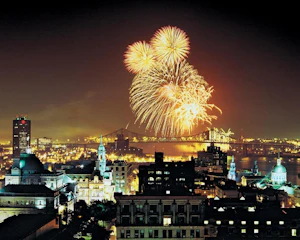
Ride a double-decker bus and explore vibrant districts. Book your tickets online and explore the best things to do in Montreal
Montreal: Scenic Night Tour + La Grande Roue de Montreal Entry Ticket | Book Online
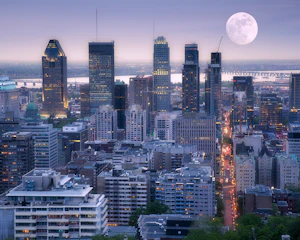
Explore Montreal on an atmospheric night drive and ride the giant Ferris wheel. Book your tickets online and explore the best things to do in Montreal

Montreal: Hop-on Hop-off Double-Decker Bus Tour | Book Online
Visit museums and see historic churches. Book your tickets online and explore the best things to do in Montreal