Rome Travel Guide: Best Time to Visit, Things to Do, Costs & Tips
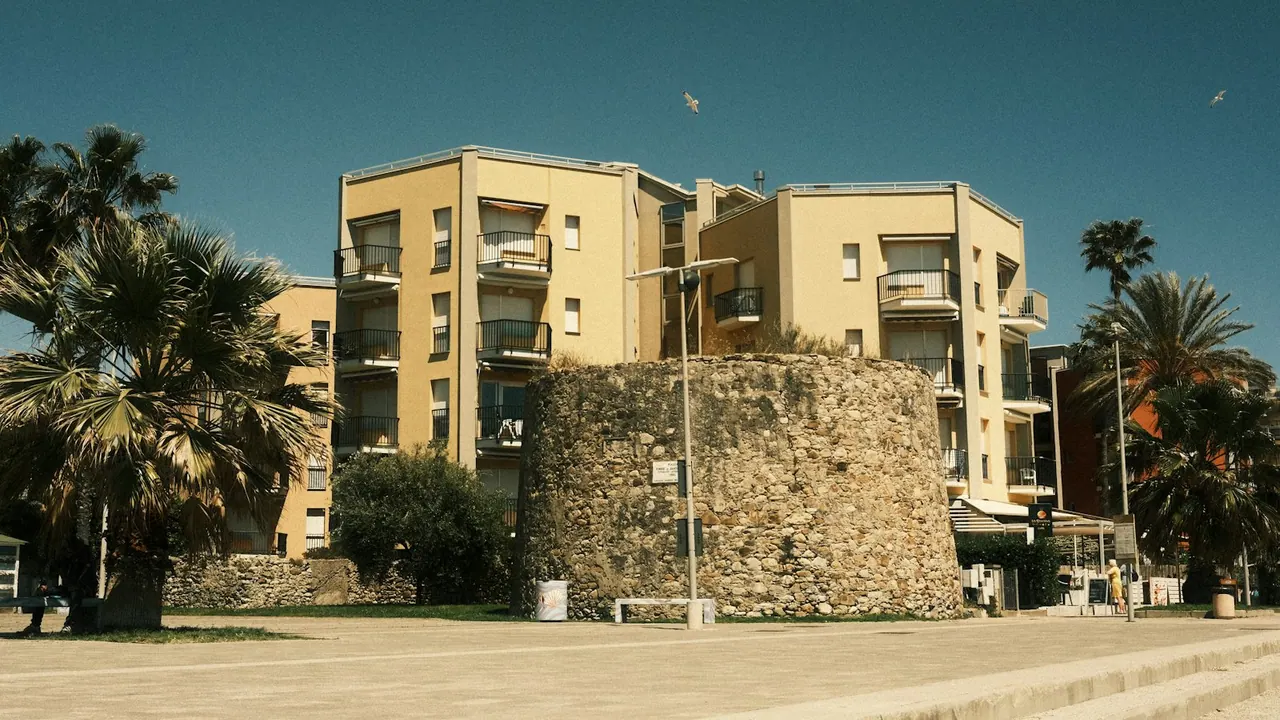
Rome is the Eternal City, a living museum where nearly 3,000 years of history unfold on every street corner. Ancient ruins sit beside Renaissance palaces, Baroque fountains and lively piazzas, and the capital of Italy is also home to the Vatican, the heart of the Catholic world. Few cities can match Rome's concentration of masterpieces, from the Colosseum and the Pantheon to Michelangelo's Sistine Chapel and Bernini's sculptures, and few can match its food, from carbonara and cacio e pepe to gelato and espresso. This Rome travel guide covers the best time to visit, top attractions, where to stay, how to get there and around, realistic daily costs, entry rules and practical tips, including new visitor fees at the Trevi Fountain and Pantheon.
Disclosure: This post contains affiliate links. If you book through them, we may earn a small commission at no extra cost to you.
Best Time to Visit Rome
Rome has a Mediterranean climate, with hot summers and mild winters.
Spring (April–May) is one of the best times to visit. Temperatures range from about 18°C to 25°C, flowers bloom on the Spanish Steps and terraces fill with diners. Easter is very busy, with large crowds in Vatican City.
Summer (June–August) is hot and crowded, with temperatures often above 32°C. Many Romans leave the city in August, and some family-run restaurants close. Visit major sights early in the morning.
Autumn (September–October) is equally excellent, with warm weather, harvest-season food and fewer crowds by October.
Winter (November–March) is mild and rainy, with temperatures around 8–14°C. It's the quietest and cheapest season, with festive Christmas markets in Piazza Navona and shorter queues at major attractions.
Top Places to Visit in Rome
1. Colosseum, Roman Forum and Palatine Hill
The Colosseum, completed in AD 80, could hold more than 50,000 spectators for gladiator fights. A combined ticket includes the Roman Forum, once the centre of political life, and the Palatine Hill, where emperors built their palaces. Tickets are timed and sell out quickly, so book well in advance on the official website.
2. Vatican Museums and Sistine Chapel
The Vatican Museums house one of the world's greatest art collections, ending in the Sistine Chapel with Michelangelo's ceiling and Last Judgment. A standard ticket costs €20 at the door or €25 online in 2026. Next door, St Peter's Basilica is free to enter.
3. Pantheon
Built nearly 2,000 years ago, the Pantheon's dome remains the largest unreinforced concrete dome in the world. Since 2023, visitors pay a small entry fee (€5), with free entry for some categories such as minors and Rome residents.
4. Trevi Fountain
Toss a coin over your shoulder to ensure your return to Rome. Since 2 February 2026, tourists pay a €2 fee to access the fountain basin area during daytime hours; viewing from the square above remains free, as does access in the evening.
5. Piazza Navona
One of Rome's most beautiful squares, built on the site of an ancient stadium, features Bernini's Fountain of the Four Rivers and lively street artists.
6. Spanish Steps and Via del Corso
The 135 steps lead up to the Trinità dei Monti church. Note that sitting on the steps is prohibited. Nearby, Via Condotti and Via del Corso are famous shopping streets.
7. Borghese Gallery
Set in the beautiful Villa Borghese park, this gallery holds masterpieces by Bernini, Caravaggio, Raphael and Titian. Visits are by reservation only, with limited time slots.
Also worth visiting: Trastevere, Castel Sant'Angelo, the Capitoline Museums, the Baths of Caracalla, the Catacombs along the Appian Way and the Jewish Ghetto.
Where to Stay in Rome
- Centro Storico: near the Pantheon, Piazza Navona and Trevi. Ideal for first-time visitors.
- Monti: close to the Colosseum, with trendy boutiques, wine bars and restaurants.
- Trastevere: charming and lively, with cobbled streets and great nightlife.
- Prati: elegant and convenient for the Vatican, with good restaurants.
- Termini area: convenient for transport and often cheaper, though less charming.
Rome charges a per-person, per-night city tax that depends on the hotel category.
Getting There & Around
Flying to Rome
Rome Fiumicino Leonardo da Vinci Airport (FCO) is Italy's largest airport, about 30 km from the city centre. Rome Ciampino (CIA) is used mainly by low-cost airlines.
From Fiumicino, the Leonardo Express train reaches Roma Termini in about 32 minutes. Taxis charge a fixed fare to the city centre within the Aurelian Walls. From Ciampino, buses connect with Termini.
By Train
Rome is connected by high-speed trains to Florence (about 1.5 hours), Naples (about 1 hour 10 minutes), Milan and Venice.
Getting Around Rome
- Walking: the best way to explore the historic centre.
- Metro: three lines (A, B and C) link key areas, including the Vatican (Ottaviano) and the Colosseum.
- Buses and trams: extensive but can be slow in traffic.
- Tickets: tap a contactless card on metro gates and buses, or buy tickets at machines. A 100-minute ticket and day passes are available.
- Taxis: use official white taxis or apps; don't hail unofficial drivers.
Travel Costs in Rome
Rome is moderately expensive. The currency is the euro (€).
| Travel style | Accommodation | Food & drink | Transport & sights | Daily total |
|---|---|---|---|---|
| Budget / hostel | €30–55 | €20–35 | €10–35 | €60–125 |
| Mid-range | €130–230 | €45–80 | €35–70 | €210–380 |
| Luxury | €350–900 | €120–300 | €100–300 | €570–1,500 |
Money-saving tips: drink from the free nasoni water fountains, eat pizza al taglio and supplì, and visit free churches with masterpieces by Caravaggio and Michelangelo.
Visa & Entry Requirements
Italy is part of the EU and the Schengen Area:
- EU/EEA and Swiss citizens can enter with a valid passport or national ID card.
- UK, US, Canadian, Australian and other visa-exempt travellers can stay up to 90 days within any 180-day period in the Schengen Area.
- Other nationalities may need a Schengen visa.
- Passport validity: typically at least three months beyond your planned departure from the Schengen Area.
- EU Entry/Exit System (EES): non-EU travellers now register fingerprints and a facial image at the border instead of receiving passport stamps.
- ETIAS: the EU's online travel authorisation for visa-exempt travellers is expected to start in the last quarter of 2026 (around €20, valid for three years).
Always check official Italian and EU sources or your own government's travel advice before departure.
Local Tips for Rome
- Dress code for churches: cover shoulders and knees when visiting churches and the Vatican.
- Coffee culture: drink your espresso standing at the bar, where it's cheaper. Cappuccino is traditionally a morning drink.
- Book ahead: reserve tickets for the Colosseum, Vatican Museums and Borghese Gallery well in advance.
- Rules at monuments: sitting on the Spanish Steps and eating near some fountains are prohibited and fined.
- Tipping: not expected; restaurants may add a coperto (cover charge). Leave small change for good service.
- Safety: Rome is generally safe, but pickpockets are very active on buses (especially line 64), metro Line A, Termini and around major sights.
- Staying connected: EU visitors can use their home SIM under EU roaming rules. Travellers from outside the EU should consider a travel eSIM.
Tours & Experiences
- Colosseum underground and arena tour: explore restricted areas with a guide.
- Vatican early-entry tour: see the Sistine Chapel before the crowds.
- Food tour in Trastevere or Testaccio: taste Roman classics.
- Pasta-making class: learn to make fresh pasta and tiramisu.
- Day trips: visit Pompeii, Tivoli's Villa d'Este, Ostia Antica or Florence.
Browse and book the best tours in Rome here.
FAQ
Do you have to pay to see the Trevi Fountain?
Since 2 February 2026, tourists pay €2 to access the area next to the fountain during the day. The view from the square above is free, as is access in the evening.
How many days do you need in Rome?
Three to four days are ideal to see the main sights, including the Vatican. Add extra days for day trips.
What is the best time to visit Rome?
April to May and September to October offer the best weather and slightly smaller crowds.
How do I get from Fiumicino Airport to Rome?
Take the Leonardo Express to Termini (about 32 minutes) or a fixed-fare taxi to the city centre.
Is the Pantheon free?
No. Since 2023, the Pantheon charges a €5 entrance fee, with free entry for some categories.
Conclusion
Rome layers nearly 3,000 years of history into one unforgettable city, from gladiators at the Colosseum to Michelangelo's ceiling in the Sistine Chapel. With a little planning around tickets and timed entries, it rewards every kind of traveller.
Plan ahead: book your Colosseum and Vatican tours online (See more), and get ready to discover the Eternal City.
Explore Italy city by city: Naples, Milan, Verona, Florence and Venice.