Berlin Travel Guide: Best Time to Visit, Things to Do, Costs & Tips
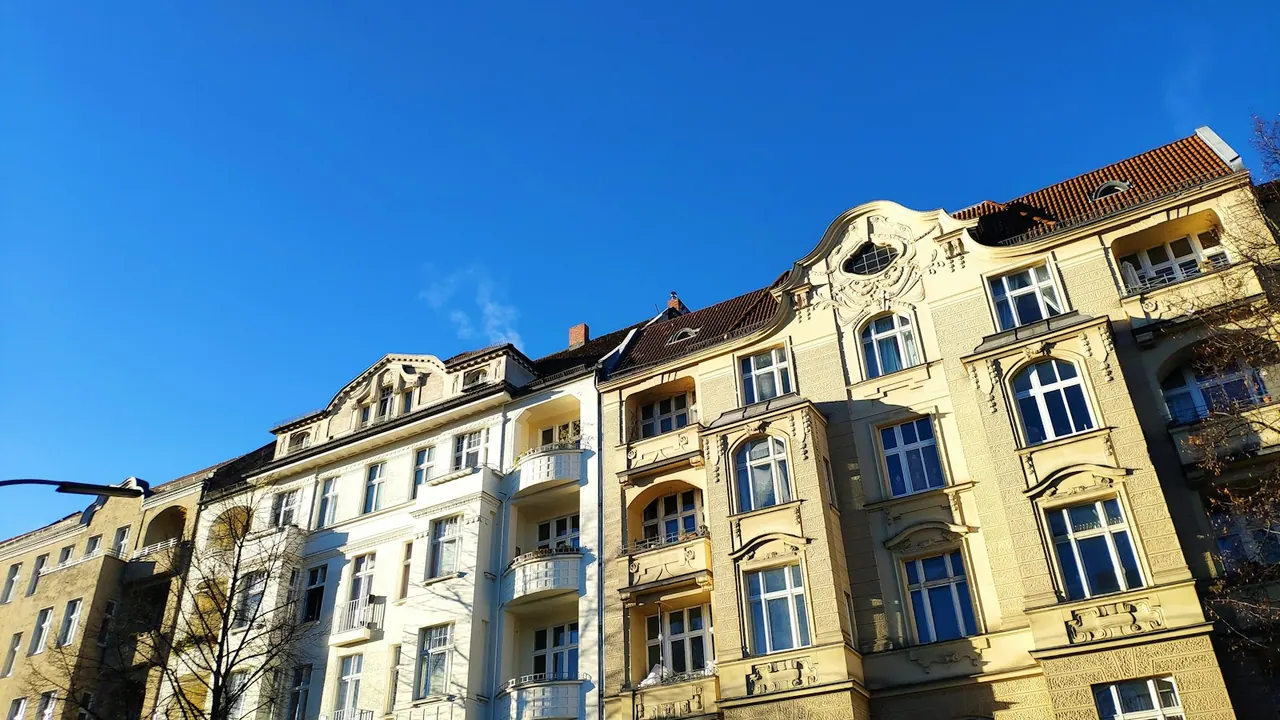
Berlin is a city that wears its history openly. Germany's capital has been the seat of Prussian kings, the centre of the Nazi regime, a city divided by the Berlin Wall and, since 1990, the capital of a reunited Germany. Today it's one of Europe's most creative and open-minded cities, famous for its museums, street art, techno clubs, green parks and diverse neighbourhoods, each with its own character. From the Brandenburg Gate and Museum Island to the East Side Gallery and Tempelhof Field, Berlin is full of places where past and present meet. This Berlin travel guide covers the best time to visit, top attractions, where to stay, how to get there and around, realistic daily costs, entry rules and practical tips for your trip.
Disclosure: This post contains affiliate links. If you book through them, we may earn a small commission at no extra cost to you.
Best Time to Visit Berlin
Berlin has a temperate continental climate, with warm summers and cold winters.
Spring (April–May) is a great time to visit, with temperatures from about 10°C to 20°C, blossoming parks and beer gardens reopening. The Karneval der Kulturen street festival usually takes place over the Whitsun (Pentecost) weekend.
Summer (June–August) is peak season, with temperatures around 20–28°C. The city lives outdoors, with open-air cinemas, lake swimming, festivals and long evenings. Hotels are busier and pricier.
Autumn (September–October) offers mild weather and colourful parks. The Festival of Lights in October illuminates Berlin's landmarks, and 3 October marks German Unity Day.
Winter (November–March) is cold and grey, with temperatures around -2°C to 5°C. Christmas markets in December are a highlight, and the Berlinale international film festival takes place in February.
Top Places to Visit in Berlin
1. Brandenburg Gate and Pariser Platz
Built in the late 18th century, the Brandenburg Gate became a symbol of Germany's division and later its reunification. Today it's the city's most famous landmark, especially beautiful when lit up at night.
2. Reichstag Building
The seat of the German parliament is crowned by a glass dome designed by Norman Foster. Visits to the dome and roof terrace are free but must be booked online in advance.
3. Museum Island
This UNESCO World Heritage Site on the Spree River contains five world-class museums, including the Neues Museum with the bust of Nefertiti and the Pergamon Museum. Note that the Pergamon Museum is closed for extensive renovation, with partial reopening planned for 2027. The Berlin Cathedral stands nearby.
4. East Side Gallery
The longest surviving stretch of the Berlin Wall, at about 1.3 km, is covered with more than 100 murals painted by artists from around the world, including the famous "Fraternal Kiss."
5. Berlin Wall Memorial and Checkpoint Charlie
The Berlin Wall Memorial on Bernauer Strasse preserves a section of the wall, the "death strip" and a watchtower, with an excellent documentation centre. Checkpoint Charlie, the famous Cold War crossing point, has a museum explaining escape attempts.
6. Memorial to the Murdered Jews of Europe
This moving memorial near the Brandenburg Gate consists of 2,711 concrete slabs of varying heights. An underground information centre tells the stories of victims of the Holocaust.
7. Tempelhofer Feld
The former Tempelhof Airport, famous for the Berlin Airlift of 1948–49, is now one of the world's largest urban parks. Locals cycle, skate, kite-surf and picnic on its old runways.
Also worth visiting: the Jewish Museum, the Topography of Terror, Charlottenburg Palace, the DDR Museum, the Berlin TV Tower (Fernsehturm), Potsdamer Platz and Mauerpark's Sunday flea market and karaoke.
Where to Stay in Berlin
- Mitte: central and historic, close to most major sights. Ideal for first-time visitors.
- Prenzlauer Berg: leafy and charming, with cafés, restaurants and boutiques. Great for families.
- Kreuzberg: multicultural and lively, known for its food scene, nightlife and street art.
- Friedrichshain: alternative and young, near the East Side Gallery and famous clubs.
- Charlottenburg: elegant and quieter, near Kurfürstendamm shopping street and Charlottenburg Palace.
- Neukölln: trendy and affordable, with bars, cafés and a creative atmosphere.
Getting There & Around
Flying to Berlin
Berlin Brandenburg Airport (BER), which opened in 2020, is the city's only commercial airport, about 25 km southeast of the centre.
From BER, the FEX Airport Express and regional trains reach Berlin Hauptbahnhof in about 30 minutes, and S-Bahn lines connect with other parts of the city. You'll need an ABC zone ticket for the airport.
By Train
Berlin Hauptbahnhof is one of Europe's largest railway stations, with high-speed ICE trains to Hamburg, Munich, Frankfurt, Cologne and international destinations such as Prague, Warsaw, Amsterdam and Vienna.
Getting Around Berlin
- U-Bahn and S-Bahn: fast and frequent underground and suburban trains covering the whole city.
- Trams and buses: especially useful in former East Berlin. Bus 100 and 200 pass many major sights.
- Tickets: most visitors need AB tickets; the airport and Potsdam require ABC. Buy tickets through the BVG app or at machines and validate paper tickets before travel. The Deutschlandticket (€63 per month since January 2026, as a subscription) offers unlimited local and regional transport across Germany.
- Cycling: Berlin is flat and bike-friendly, with many rental and sharing options.
- Berlin WelcomeCard: includes public transport and discounts on attractions.
Travel Costs in Berlin
Berlin is reasonably priced compared with other Western European capitals, though costs have risen. The currency is the euro (€). A city tax is charged on accommodation. Cash is still common in some bars and small restaurants, though cards are now widely accepted.
| Travel style | Accommodation | Food & drink | Transport & sights | Daily total |
|---|---|---|---|---|
| Budget / hostel | €25–45 | €15–30 | €10–20 | €50–95 |
| Mid-range | €90–170 | €40–70 | €20–50 | €150–290 |
| Luxury | €250–550 | €100–250 | €60–150 | €410–950 |
Money-saving tips: many memorials and sites are free, including the Reichstag dome, East Side Gallery and Berlin Wall Memorial. Eat at Imbiss stands for currywurst and döner kebab, and use a day ticket for public transport.
Visa & Entry Requirements
Germany is part of the EU and the Schengen Area:
- EU/EEA and Swiss citizens can enter with a valid passport or national ID card.
- UK, US, Canadian, Australian and other visa-exempt travellers can stay up to 90 days within any 180-day period in the Schengen Area.
- Other nationalities may need a Schengen visa.
- Passport validity: typically at least three months beyond your planned departure from the Schengen Area.
- EU Entry/Exit System (EES): non-EU travellers now register fingerprints and a facial image at the border instead of receiving passport stamps.
- ETIAS: the EU's online travel authorisation for visa-exempt travellers is expected to start in the last quarter of 2026 (around €20, valid for three years).
Always check official German and EU sources or your own government's travel advice before departure.
Local Tips for Berlin
- Sundays are quiet: most shops are closed on Sundays, but flea markets, museums and cafés are open.
- Club culture: Berlin's famous clubs often have strict door policies and no-photo rules. Dress casually and respect the rules.
- Pfand: return bottles to supermarkets for a deposit refund.
- Tipping: round up or add around 5–10% in restaurants, telling the server the total when paying.
- Cycling etiquette: don't walk in bike lanes, and watch for cyclists when crossing.
- Safety: Berlin is generally safe. Watch out for pickpockets in crowded areas and on public transport, and be careful around some stations at night.
- Staying connected: EU visitors can use their home SIM under EU roaming rules. Travellers from outside the EU should consider a travel eSIM.
Tours & Experiences
- Berlin Wall and Cold War tour: discover the history of the divided city with an expert guide.
- Third Reich history tour: visit key sites and memorials of Nazi Germany.
- Street art tour: explore Kreuzberg and Friedrichshain's murals.
- Spree river cruise: see the government quarter and Museum Island from the water.
- Day trips: visit the palaces of Potsdam, including Sanssouci, or the Sachsenhausen Concentration Camp Memorial.
Browse and book the best tours in Berlin here.
FAQ
How many days do you need in Berlin?
Three to four days are ideal to see the main sights, explore several neighbourhoods and take a day trip to Potsdam.
What is the best time to visit Berlin?
May to September offers the best weather. December is ideal for Christmas markets.
Is Berlin expensive?
Berlin is affordable compared with other Western European capitals. Budget travellers can manage on around €50–95 per day.
How do I get from Berlin Airport to the city centre?
Take the FEX Airport Express or regional trains to Berlin Hauptbahnhof in about 30 minutes. You'll need an ABC zone ticket.
Can I visit the Reichstag dome for free?
Yes, but you must register online in advance and bring a valid ID.
Conclusion
Berlin layers Prussian history, Cold War memory and creative reinvention into one of Europe's most compelling capitals. Between world-class museums, moving memorials and legendary nightlife, it rewards travellers who take their time.
Plan ahead: book your Cold War and Third Reich history tours online (See more), and get ready to discover Germany's capital.
Explore Germany city by city: Dresden, Frankfurt, Hamburg, Heidelberg and Cologne.
Where to Stay in Germany's Big Cities
Staying in Germany
Berlin
Berlin is a city of distinct neighbourhoods, each with its own personality.
- Mitte: The historic centre, close to the Brandenburg Gate, Museum Island and Unter den Linden.
- Prenzlauer Berg: Leafy streets, cafés and boutique hotels.
- Kreuzberg and Friedrichshain: Street art, nightlife and creative design hotels.
- Charlottenburg: Elegant, classic hotels near the Kurfürstendamm.
- Near Berlin Hauptbahnhof: Modern hotels with excellent train connections.
Note: Berlin charges a city tax (Übernachtungssteuer) as a percentage of the room price, often added at the hotel.
Munich
- Altstadt (Old Town): Historic hotels near Marienplatz and the Viktualienmarkt.
- Maxvorstadt: Museums, galleries and university atmosphere.
- Schwabing: Elegant and lively, near the English Garden.
- Near Munich Hauptbahnhof: Convenient and often good value.
- Theresienwiese area: Close to the Oktoberfest grounds, but extremely expensive during the festival.
Frankfurt
- Bankenviertel and Innenstadt: Business hotels near the skyline and shopping streets.
- Sachsenhausen: Traditional apple wine taverns and the Museumsufer.
- Near the Messe: Hotels for trade fair visitors.
- Near the Hauptbahnhof: Convenient, but check the surrounding streets in reviews, as some areas can feel rough at night.
Hamburg
- Altstadt and Neustadt: Central hotels near the Rathaus and the Binnenalster.
- HafenCity: Modern hotels near the Elbphilharmonie and Speicherstadt.
- St. Pauli: Nightlife and the famous Reeperbahn.
- Altona and Sternschanze: Trendy, local neighbourhoods.
Boutique stays
Germany has a strong boutique hotel scene: design hotels in Berlin, chic townhouse hotels in Hamburg, and Bavarian-style boutique stays in Munich.
Deutsche Bahn Routes
Deutsche Bahn routes
Germany's Deutsche Bahn network connects all major cities with fast ICE trains. Book early for Super Sparpreis fares.
| Route | Typical ICE journey time |
|---|---|
| Berlin – Hamburg | About 2 hours |
| Frankfurt – Munich | About 3.5 hours |
| Berlin – Munich | About 4–4.5 hours |
| Frankfurt – Cologne | About 1–1.5 hours |
Getting from the airport
- Frankfurt (FRA): S-Bahn trains reach the Hauptbahnhof in about 15 minutes, and long-distance ICE trains stop at the airport.
- Munich (MUC): S1 and S8 trains reach the centre in about 40 minutes.
- Berlin Brandenburg (BER): The FEX Airport Express and regional trains reach Berlin Hauptbahnhof in about 30 minutes.
- Hamburg (HAM): The S1 reaches the Hauptbahnhof in about 25 minutes.
Seasonal highlights
- Spring: Beer gardens open and asparagus season (Spargelzeit) begins.
- Summer: Open-air festivals, lakes and river beaches.
- Autumn: Oktoberfest and wine festivals.
- Winter: Christmas markets in every city.
Food to try
Try currywurst in Berlin, Weißwurst and pretzels in Munich, Grüne Soße and apple wine in Frankfurt, and Fischbrötchen at Hamburg's harbour.
Frequently Asked Questions
When are German hotels most expensive?
During major trade fairs, Oktoberfest in Munich, Christmas markets and big events. Business cities are often cheaper at weekends.
Where should I stay in Berlin?
Mitte for sightseeing, Prenzlauer Berg for a relaxed feel, Kreuzberg or Friedrichshain for nightlife, and Charlottenburg for classic elegance.
Do German cities charge a hotel tax?
Many do, including Berlin, Hamburg, Cologne and Frankfurt. The tax is usually paid at the hotel.
Top German Travel Destinations Beyond the Big Cities
Germany is far more than its big cities. Beyond Berlin and Munich lie snow-capped Alpine peaks, dark forests full of fairy-tale legends, vineyard-covered river valleys lined with castles, and long sandy beaches on the Baltic Sea. Whether you're dreaming of hiking in the Bavarian Alps, eating Black Forest cake in its homeland, cruising past castles on the Rhine, or relaxing in a seaside spa resort, Germany offers incredible variety.
Deep Dive into Germany's Top Tourist Hubs
Bavarian Alps
The Bavarian Alps offer some of Germany's most dramatic scenery.
- Garmisch-Partenkirchen: At the foot of the Zugspitze, Germany's highest mountain (2,962 m), with skiing in winter and hiking in summer.
- Berchtesgaden: Home to the crystal-clear Königssee and the Kehlsteinhaus (Eagle's Nest).
- Füssen and Schwangau: Gateway to Neuschwanstein and Hohenschwangau castles.
- Oberammergau: Painted houses and woodcarving traditions.
- Tegernsee and Schliersee: Lakeside resorts close to Munich.
Black Forest (Schwarzwald)
The Black Forest in Baden-Württemberg is famous for forests, cuckoo clocks and spa towns.
- Baden-Baden: Elegant spa town with thermal baths and a famous casino.
- Freiburg im Breisgau: Sunny university city with a medieval centre.
- Triberg: Waterfalls and cuckoo clocks.
- Titisee and Schluchsee: Lakes for swimming and boating.
- Gengenbach: Half-timbered houses and Christmas market charm.
Rhine Valley
The Upper Middle Rhine Valley, a UNESCO World Heritage Site, winds past steep vineyards and medieval castles.
- Rüdesheim am Rhein: Wine taverns and the famous Drosselgasse.
- Bacharach and Oberwesel: Medieval towns with castle hotels.
- St. Goar: Near the Loreley rock and Burg Rheinfels.
- Koblenz: Where the Rhine meets the Moselle.
- Cologne and Bonn: Cities at the northern end of the region.
Baltic Coast (Ostsee)
Germany's Baltic coast offers sandy beaches, chalk cliffs and elegant seaside resorts.
- Rügen Island: Chalk cliffs of Jasmund National Park and resort architecture in Binz.
- Usedom: "Imperial baths" (Kaiserbäder) like Heringsdorf and Ahlbeck.
- Warnemünde: Lively seaside resort near Rostock.
- Timmendorfer Strand and Travemünde: Beach resorts near Lübeck.
- Lübeck and Stralsund: UNESCO-listed Hanseatic towns.
Other highlights
Romantic Road towns like Rothenburg ob der Tauber, Heidelberg, Dresden, the Moselle Valley and Lake Constance (Bodensee).
Best Hotel Types
Spa resorts (Wellnesshotels)
Germany has a strong wellness tradition. Spa hotels in the Alps, the Black Forest and the Baltic coast often include saunas, pools, spa treatments and half-board dining. Towns with Bad in their name (like Bad Reichenhall or Bad Wiessee) are traditional spa towns.
Historic Gasthöfe and inns
A Gasthof is a traditional German inn, often family-run, with a restaurant serving regional food and cosy rooms. They're common in Bavaria and the Black Forest and usually offer good value and authentic atmosphere.
Castle hotels
Along the Rhine and in other regions, you can sleep in a medieval castle hotel (Burghotel), such as those in Oberwesel or near Heidelberg.
Central city hotels
In cities like Munich, Cologne, Dresden and Freiburg, central hotels put you within walking distance of sights, restaurants and Christmas markets.
Holiday apartments
Ferienwohnungen (holiday apartments) are popular in coastal and mountain regions, ideal for families and longer stays.
Saving Money During Peak Trade Fairs & Oktoberfest
Trade fairs (Messen)
Germany hosts some of the world's largest trade fairs in Frankfurt, Munich, Cologne, Düsseldorf, Hanover, Berlin and Nuremberg. During major fairs, hotel prices in these cities can rise steeply, and rooms sell out.
Tips
- Check fair calendars before booking city stays.
- Stay in nearby towns: For example, stay in Mainz or Wiesbaden during Frankfurt fairs, or Bonn during Cologne fairs, with fast train links.
- Book very early if you must attend.
Oktoberfest
Munich's Oktoberfest runs for about two weeks from mid- or late September to the first weekend in October. Hotel prices in Munich can double or triple.
Tips
- Book months in advance.
- Stay outside Munich: Towns like Augsburg, Freising or Rosenheim are a short train ride away.
- Visit midweek: Prices and crowds are lower than at weekends.
- Check free cancellation: Rates may drop closer to the date.
Christmas markets
From late November to Christmas, Nuremberg, Dresden, Cologne and smaller towns attract huge crowds. Book early and consider nearby towns.
General money-saving hacks
- Travel in shoulder seasons: May–June and September–October outside events.
- Choose half-board in rural areas: Often good value in Gasthöfe and spa hotels.
- Use guest cards: Many resort regions, such as the Black Forest's KONUS card, offer free local public transport to overnight guests.
- Check spa taxes: Many resorts charge a Kurtaxe per person per night.
Road Trips and our partner site Tours
Renting a car for German road trips
A car is the best way to explore the Romantic Road, the Black Forest High Road (Schwarzwaldhochstraße), the German Alpine Road (Deutsche Alpenstraße) and Baltic coast resorts. Compare rental companies at airports and in cities before you travel.
Autobahn tips
- Some sections have no general speed limit, but the advisory speed is 130 km/h, and many sections have limits.
- Keep right except to overtake, and never overtake on the right.
- Cities have low-emission zones (Umweltzonen) requiring a sticker; rental cars usually have one.
- In winter, winter tyres are required in wintry conditions.
our partner site for tours
Our partner site (See more) offers Neuschwanstein tours from Munich, Rhine cruises, Black Forest day trips, Zugspitze excursions and Eagle's Nest tours.
Getting around without a car
Germany's regional trains reach most destinations: the Bavarian Alps from Munich, the Black Forest via Freiburg and Offenburg, the Rhine Valley on scenic lines along both riverbanks, and the Baltic coast via Rostock and Stralsund. The Deutschlandticket (€63 per month in 2026) covers unlimited local and regional trains and buses nationwide, which can be excellent value for regional touring.
Regional food highlights
Sample Black Forest cake and ham, Bavarian Schweinshaxe and beer, Rhine and Moselle Riesling, and smoked fish on the Baltic coast.
Frequently Asked Questions
What are the best regions to visit in Germany?
The Bavarian Alps, Black Forest, Rhine Valley and Baltic coast are among the most popular, along with the Romantic Road and Lake Constance.
What is a Gasthof?
A traditional German inn, usually family-run, with a restaurant serving regional food and simple, cosy rooms.
How can I save money during Oktoberfest?
Book months in advance, stay in nearby towns like Augsburg or Freising, visit midweek and choose free cancellation rates.
Is there a speed limit on the German Autobahn?
Some sections have no general limit, but the advisory speed is 130 km/h, and many sections have posted limits.
Do German spa towns charge a tourist tax?
Yes. Many resorts charge a Kurtaxe per person per night, which often includes a guest card with discounts or free transport.