Vienna Travel Guide: Best Time to Visit, Things to Do, Costs & Tips
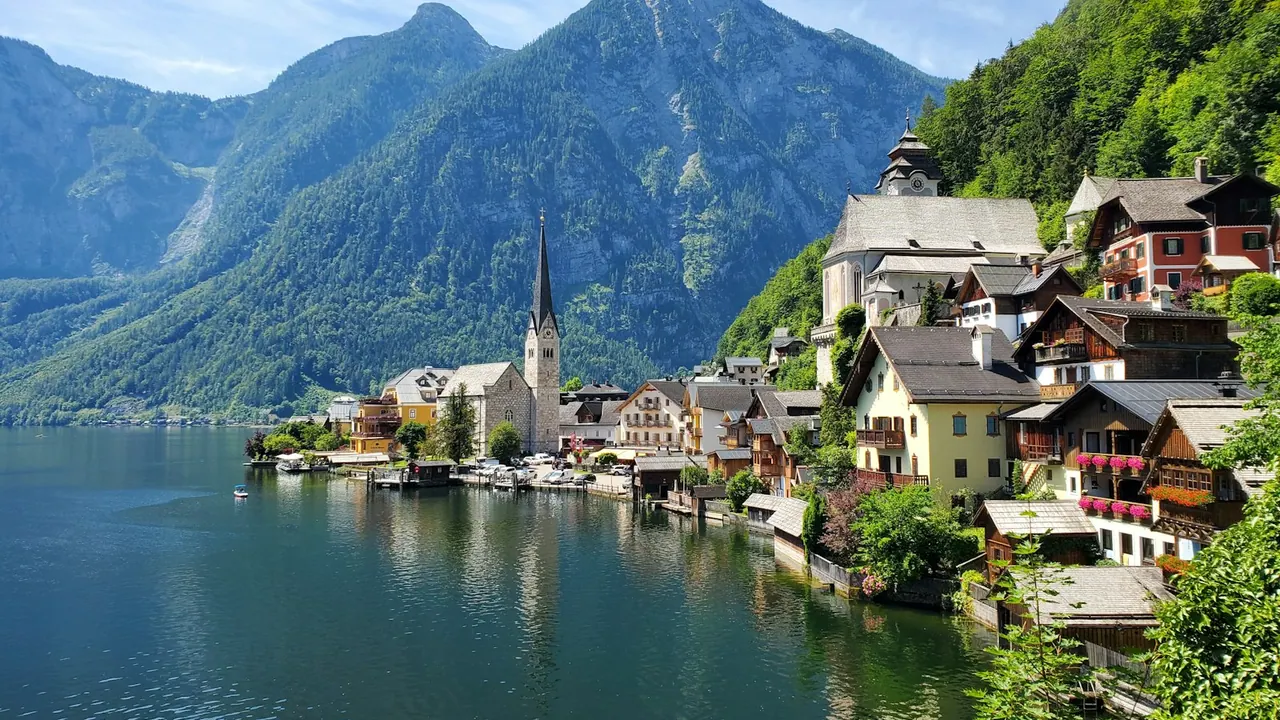
Vienna is a city of imperial grandeur, classical music and coffeehouse culture. For more than six centuries, Austria's capital was the seat of the Habsburg Empire, leaving behind magnificent palaces, boulevards and museums. It was home to Mozart, Beethoven, Strauss, Freud and Klimt, and its historic centre is a UNESCO World Heritage Site. Vienna also regularly ranks among the world's most liveable cities, with excellent public transport, green spaces, vineyards within city limits and a café culture recognised by UNESCO as intangible heritage.
Disclosure: This post contains affiliate links. If you book through them, we may earn a small commission at no extra cost to you.
Best Time to Visit Vienna
Vienna has a continental climate, with warm summers and cold winters.
Spring (April–May) is lovely, with temperatures from about 12°C to 22°C, blossoming parks and outdoor cafés reopening.
Summer (June–August) is warm, around 22–30°C. The Donauinselfest (a huge free music festival), the open-air film festival at City Hall Square and swimming in the Danube make summer lively. The State Opera takes a summer break in July and August.
Autumn (September–October) offers mild weather, wine harvests and Sturm (young wine) in the Heurigen wine taverns.
Winter (November–March) is cold, around -2°C to 5°C, but Vienna's Christmas markets (mid-November to late December) are among Europe's most famous. January and February are ball season, with more than 400 balls, including the Vienna Opera Ball.
Top Places to Visit in Vienna
1. Schönbrunn Palace
The Habsburgs' summer residence, with more than 1,400 rooms, is a UNESCO World Heritage Site. Tour the imperial apartments, stroll the gardens, climb to the Gloriette for views and visit the Tiergarten, the world's oldest zoo.
2. Hofburg Palace
The Habsburgs' winter residence houses the Imperial Apartments, the Sisi Museum, the Imperial Silver Collection, the Spanish Riding School with its Lipizzaner horses and the Imperial Treasury.
3. St Stephen's Cathedral (Stephansdom)
Vienna's Gothic cathedral, with its colourful tiled roof, is the city's symbol. Climb the South Tower's 343 steps or take the lift up the North Tower for views, and explore the catacombs.
4. Belvedere Palace
The Baroque Belvedere houses Austrian art, including Gustav Klimt's The Kiss. The gardens between the Upper and Lower Belvedere offer beautiful views of the city.
5. Vienna State Opera
One of the world's leading opera houses. Guided tours are offered during the day, and standing-room tickets for performances are surprisingly cheap.
6. MuseumsQuartier and the Kunsthistorisches Museum
The Kunsthistorisches Museum holds masterpieces by Bruegel, Vermeer, Rembrandt and Raphael. Across the street, the MuseumsQuartier includes the Leopold Museum (Schiele and Klimt) and the MUMOK modern art museum.
7. Prater and the Giant Ferris Wheel
The Prater park is home to the Wiener Riesenrad, a giant Ferris wheel built in 1897, and an amusement park, plus long green avenues for walking and cycling.
Also worth visiting: the Naschmarkt food market, the Hundertwasserhaus, the Albertina, the Karlskirche, the Secession Building, Ringstrasse, and the Heurigen wine taverns in Grinzing.
Viennese Coffeehouse Culture
Vienna's coffeehouses are so important to local life that UNESCO recognised them as intangible cultural heritage. Traditional cafés such as Café Central, Café Sperl, Café Hawelka and Café Landtmann have hosted writers, artists, philosophers and politicians for over a century. Order a Melange (similar to a cappuccino), an Einspänner or a Kleiner Brauner, and pair it with a slice of cake. Your coffee will always arrive with a glass of water, and it's perfectly acceptable to linger for hours reading newspapers.
Where to Stay in Vienna
- Innere Stadt (1st District): The historic centre, close to most sights. Ideal for first-time visitors.
- Leopoldstadt (2nd District): Near the Prater and the Danube Canal, trendy and good value.
- Landstrasse (3rd District): Near the Belvedere, with good transport links.
- Neubau (7th District): Creative and hip, near the MuseumsQuartier, with boutiques and cafés.
- Mariahilf (6th District): Close to the Naschmarkt and Mariahilfer Strasse shopping street.
Vienna charges a small accommodation tax per night.
Getting There & Around
Flying to Vienna
Vienna International Airport (VIE), in Schwechat, lies about 18 km southeast of the city centre and is the hub of Austrian Airlines.
From the airport, the City Airport Train (CAT) reaches Wien Mitte in 16 minutes, while the cheaper S7 suburban train and ÖBB Railjet trains also connect to the city.
By Train
Vienna Hauptbahnhof is a major rail hub, with direct trains to Salzburg, Munich, Prague, Budapest, Bratislava (about 1 hour), Venice and Zurich, plus Nightjet sleeper trains across Europe.
Getting Around Vienna
- U-Bahn, trams and buses (Wiener Linien): Excellent and easy to use. Single tickets, 24/48/72-hour passes and weekly tickets are available.
- Vienna City Card: Includes unlimited public transport and discounts on attractions.
- Walking: The Innere Stadt is compact and pedestrian-friendly.
- Cycling: Vienna has many cycle lanes and bike-sharing options.
Travel Costs in Vienna
Vienna is moderately expensive, but good value for a Western European capital. The currency is the euro (€).
| Travel style | Accommodation | Food & drink | Transport & sights | Daily total |
|---|---|---|---|---|
| Budget / hostel | €30–50 | €20–35 | €8–25 | €60–110 |
| Mid-range | €110–200 | €45–80 | €30–60 | €185–340 |
| Luxury | €300–700 | €120–300 | €80–250 | €500–1,250 |
Money-saving tips: buy standing-room opera tickets, eat at the Naschmarkt or a Würstelstand (sausage stand), and use a multi-day public transport pass.
Visa & Entry Requirements
Austria is part of the EU and the Schengen Area:
- EU/EEA and Swiss citizens can enter with a valid passport or national ID card.
- UK, US, Canadian, Australian and other visa-exempt travellers can stay up to 90 days within any 180-day period in the Schengen Area.
- Other nationalities may need a Schengen visa.
- Passport validity: Typically at least three months beyond your planned departure from the Schengen Area.
- EU Entry/Exit System (EES): Non-EU travellers now register fingerprints and a facial image at the border instead of receiving passport stamps.
- ETIAS: The EU's online travel authorisation for visa-exempt travellers is expected to start in the last quarter of 2026 (around €20, valid for three years).
Always check official Austrian and EU sources or your own government's travel advice before departure.
Local Tips for Vienna
- Coffeehouse culture: Take your time in a traditional café such as Café Central, Café Sperl or Café Landtmann. Order a Melange and a slice of cake.
- Try local food: Taste Wiener Schnitzel, Tafelspitz, Apfelstrudel, Sachertorte and Kaiserschmarrn.
- Opera and concerts: Dress smartly for evening performances. Avoid costumed street sellers offering overpriced concert tickets.
- Sundays: Most shops close on Sundays, though shops at major train stations stay open.
- Tipping: Round up or add around 5–10%, telling the server the total when paying.
- Safety: Vienna is one of the safest capitals in the world. Normal precautions are enough.
- Staying connected: EU visitors can use their home SIM under EU roaming rules. Travellers from outside the EU should consider a travel eSIM.
Tours & Experiences
- Classical concert: Enjoy Mozart or Strauss in a historic venue.
- Schönbrunn skip-the-line tour: Explore the palace with expert commentary.
- Food and coffeehouse tour: Taste Viennese specialities and pastries.
- Wachau Valley day trip: Visit Melk Abbey and the vineyards along the Danube.
- Day trips: Explore Bratislava, Salzburg, Hallstatt or Budapest.
Browse and book the best tours in Vienna here.
FAQ
How many days do you need in Vienna?
Three to four days are ideal to see the palaces, museums and cafés. Add extra days for the Wachau Valley or Bratislava.
What is the best time to visit Vienna?
April to May and September to October offer pleasant weather. December is magical for Christmas markets.
How do I get from Vienna Airport to the city centre?
Take the City Airport Train (16 minutes to Wien Mitte), the cheaper S7 train or ÖBB Railjet trains.
Is Vienna expensive?
Vienna is moderately priced for Western Europe. Budget travellers can manage on around €60–110 per day.
Can I see the Vienna State Opera cheaply?
Yes. Standing-room tickets are sold for many performances at low prices.
Conclusion
Vienna combines imperial palaces, world-class art, legendary music and a coffeehouse culture like no other. Whether you're touring Schönbrunn, admiring Klimt's The Kiss or riding the Giant Ferris Wheel, the Austrian capital offers an unforgettable experience.
Start planning today: book your Schönbrunn tickets, Spanish Riding School performances and museum visits online (See more), and get ready to discover the elegance of Vienna.
Explore Austria city by city: Salzburg, Innsbruck, Hallstatt and Kitzbühel.
Where to Stay in Austria
Accommodation in Austria
Viennese grand hotels
Vienna is famous for its historic grand hotels, many dating back to the Habsburg era.
- Innere Stadt (1st district): Grand hotels near St. Stephen's Cathedral, the Hofburg and the State Opera.
- Ringstrasse: Palatial hotels along Vienna's elegant boulevard.
- Neubau (7th) and Mariahilf (6th): Boutique hotels, design stays and shopping streets near the MuseumsQuartier.
- Leopoldstadt (2nd): Near the Prater, often good value.
- Wieden (4th): Near the Naschmarkt and Belvedere.
- Near Wien Hauptbahnhof (10th): Modern hotels with excellent train links.
Vienna is regularly ranked one of the world's most liveable cities, and its public transport makes it easy to stay outside the centre.
Salzburg boutique stays
- Altstadt (Old Town): Historic boutique hotels near the Getreidegasse, Mozart's birthplace and the cathedral.
- Neustadt: Near Mirabell Gardens, with more affordable options.
- Near Salzburg Hauptbahnhof: Budget-friendly and convenient.
- Salzkammergut: Lakeside hotels in Hallstatt, St. Wolfgang and St. Gilgen.
Note: Prices rise sharply during the Salzburg Festival (late July–August) and Advent.
Tyrolean ski chalets and Alpine resorts
- St. Anton am Arlberg: Legendary skiing and après-ski.
- Kitzbühel: Glamorous medieval town and the famous Hahnenkamm race.
- Ischgl: High-altitude skiing and lively nightlife.
- Mayrhofen and the Zillertal: Family-friendly skiing and the Hintertux Glacier.
- Sölden: Glacier skiing and James Bond film locations.
- Innsbruck: Alpine city with quick access to ski areas.
- Zell am See–Kaprun (Salzburgerland): Lake, mountains and glacier skiing.
Accommodation includes ski chalets, family hotels, wellness resorts and guesthouses (Pensionen), often with half board (breakfast and dinner).
Travel Tips
ÖBB train tickets
Austria's national railway, ÖBB, operates fast Railjet trains and Nightjet sleeper trains.
| Route | Typical journey time |
|---|---|
| Vienna – Salzburg | About 2.5 hours |
| Salzburg – Innsbruck | About 2 hours |
| Vienna – Innsbruck | About 4–4.5 hours |
| Munich – Salzburg | About 1.5–2 hours |
Book early for Sparschiene saver fares.
Getting from the airport
Vienna Airport (VIE) is linked to the city by the City Airport Train (about 16 minutes to Wien Mitte), cheaper S-Bahn trains and Railjets to Wien Hauptbahnhof. Salzburg and Innsbruck airports are close to their city centres. Many skiers fly into Munich or Innsbruck and continue by train or transfer.
Seasonal highlights
- Winter: Skiing, Christmas markets in Vienna, Salzburg and Innsbruck, and Vienna's ball season (January–February).
- Spring: Blossoms in the Wachau Valley and quieter city breaks.
- Summer: Alpine hiking, lake swimming in Carinthia and the Salzburg Festival.
- Autumn: Wine taverns (Heurigen) in Vienna and golden larches in Tyrol.
Food to try
Enjoy Wiener Schnitzel, Tafelspitz, Sachertorte, Apfelstrudel, Kaiserschmarrn in mountain huts, and Mozartkugeln in Salzburg. Vienna's coffeehouses, listed as UNESCO intangible heritage, are perfect for a slow afternoon.
Ski pass tips
Buy ski passes online in advance for discounts at many resorts, consider multi-resort passes like the Ski Arlberg or Ski Alpin Card, and rent equipment in advance for better prices. Many hotels sell discounted ski-pass packages, so ask before booking.
Frequently Asked Questions
Where should I stay in Vienna?
The Innere Stadt for historic sights, Neubau and Mariahilf for boutique hotels, or near the Hauptbahnhof for value and train connections.
When is the cheapest time to visit Austrian ski resorts?
Early December (outside holidays) and late season in March–April, excluding Easter.
Is half board worth it in Austrian ski resorts?
Usually yes, as dinners in resorts are expensive and half board meals are generous.
Do Austrian hotels charge a tourist tax?
Yes. Most municipalities charge a local tourist tax (Ortstaxe) per person per night.