Australia Travel Guide
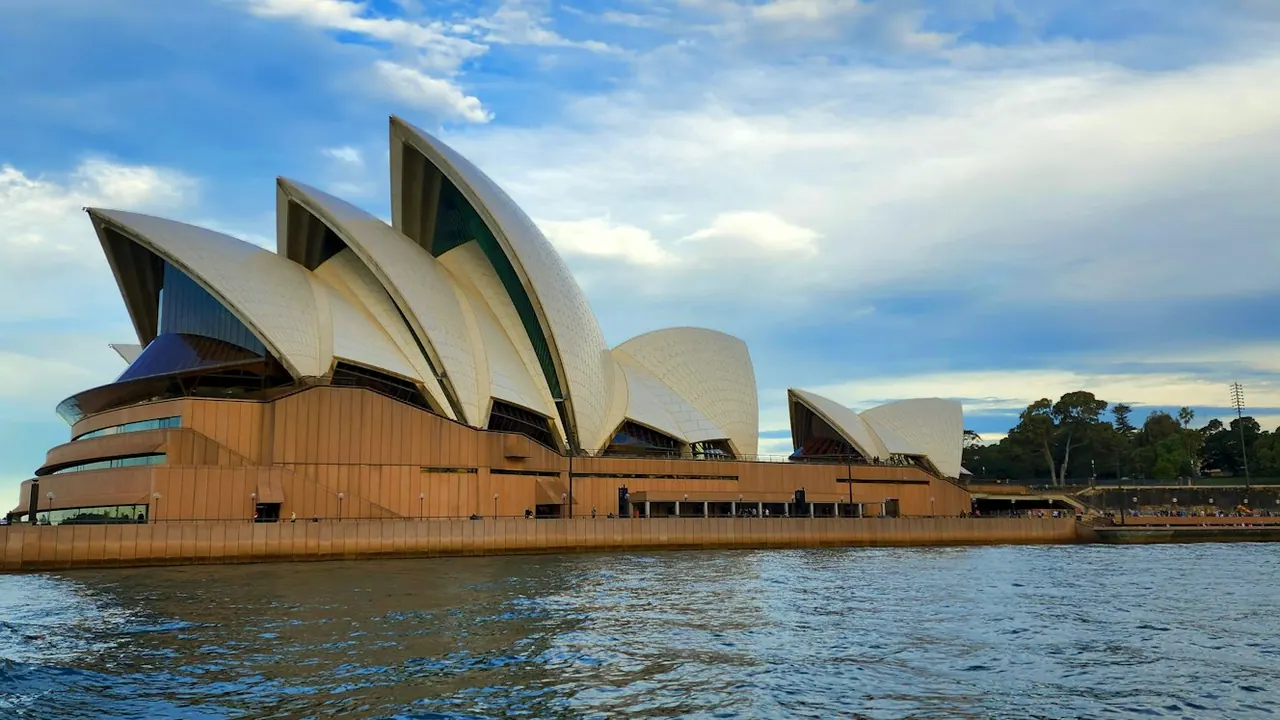
Australia is a continent-sized country of extraordinary contrasts. In one trip, you can snorkel the Great Barrier Reef, watch the sun rise over Uluru in the Red Centre, surf at Bondi Beach, drive the Great Ocean Road, explore ancient rainforests and meet kangaroos, koalas and quokkas in the wild. Its vibrant cities, Sydney, Melbourne, Brisbane and Perth, combine world-class food and coffee with beaches and laid-back lifestyles. Australia is also home to the world's oldest continuous living cultures, with Aboriginal and Torres Strait Islander history stretching back more than 65,000 years. Because distances are huge, careful planning is essential. This Australia travel guide covers the best time to visit, the top regions and coastal highlights, where to stay, how to get there and travel around the country, costs, visa rules and practical tips.
Disclosure: This post contains affiliate links. If you book through them, we may earn a small commission at no extra cost to you.
Best Time to Visit Australia
Australia's seasons are opposite to the Northern Hemisphere, and the climate varies dramatically from the tropical north to the temperate south.
Spring (September–November) is one of the best times to visit almost everywhere, with mild temperatures, wildflowers in Western Australia and good conditions in the Red Centre.
Summer (December–February) is perfect for beaches in Sydney, Melbourne, Adelaide, Perth and Tasmania, with temperatures of 25–35°C. It's peak season around Christmas and the January school holidays. In the tropical north, summer is the wet season, with heavy rain, humidity, possible cyclones and box jellyfish ("stingers") in the sea.
Autumn (March–May) brings pleasant weather in the south and the end of the wet season in the north.
Winter (June–August) is the ideal time for the tropical north, including Cairns, the Great Barrier Reef, Darwin, Kakadu and the Kimberley, as well as Uluru, where days are warm and dry. It's also ski season in the Snowy Mountains and whale-watching season along the east and west coasts.
Top Places to Visit in Australia
1. Sydney (New South Wales)
Australia's largest city is famous for the Sydney Opera House, the Harbour Bridge (climb it or walk across), Bondi Beach and the Bondi to Coogee coastal walk. Take a ferry to Manly, explore The Rocks and visit the Blue Mountains, a UNESCO World Heritage Site about 2 hours away.
2. Melbourne (Victoria)
Australia's cultural capital is known for its laneways, street art, coffee culture, food scene and sports events, including the Australian Open (January) and the Melbourne Cup (November). Nearby, see the Phillip Island penguin parade and the Yarra Valley wineries.
3. Great Barrier Reef and Cairns (Queensland)
The world's largest coral reef system stretches over 2,300 km. Snorkel, dive or take a scenic flight from Cairns or Port Douglas. Nearby, the Daintree Rainforest, the world's oldest tropical rainforest, meets the reef at Cape Tribulation.
4. Uluru and Kata Tjuta (Northern Territory)
The iconic red monolith in Uluru-Kata Tjuta National Park is sacred to the Anangu people. Watch sunrise and sunset, walk the base walk, and explore the domes of Kata Tjuta. Climbing Uluru has been banned since 2019 out of respect for its cultural significance.
5. Great Ocean Road (Victoria)
One of the world's most scenic coastal drives, stretching 243 km along Victoria's southwest coast, past surf beaches, rainforests and the limestone stacks of the Twelve Apostles.
6. Whitsunday Islands (Queensland)
Seventy-four tropical islands in the heart of the Great Barrier Reef, home to Whitehaven Beach, with its pure white silica sand, and the swirling sands of Hill Inlet. Sail, snorkel or stay in island resorts.
7. Tasmania
Australia's island state offers wild landscapes, including Cradle Mountain, Wineglass Bay in Freycinet National Park, the MONA art museum in Hobart and fresh seafood.
More Coastal and Regional Highlights
- Gold Coast and Byron Bay: Surf beaches, theme parks and a laid-back hinterland.
- Perth and Western Australia: Rottnest Island (home of the quokka), Margaret River wineries, the Pinnacles Desert and Ningaloo Reef, where you can swim with whale sharks (March–July).
- Kakadu National Park: Wetlands, crocodiles and ancient Aboriginal rock art near Darwin.
- Kangaroo Island: Wildlife and pristine beaches off Adelaide.
- Fraser Island (K'gari): The world's largest sand island.
- Brisbane: A sunny river city and gateway to the Gold and Sunshine Coasts.
- Canberra: The capital, with national museums and Parliament House.
Suggested 3-Week Australia Itinerary
- Days 1–4 – Sydney: Opera House, Harbour Bridge, Bondi and the Blue Mountains.
- Days 5–8 – Melbourne: Laneways, Phillip Island and the Great Ocean Road.
- Days 9–11 – Uluru: Sunrise, sunset, the base walk and Kata Tjuta.
- Days 12–16 – Cairns and the Great Barrier Reef: Snorkelling, diving and the Daintree Rainforest.
- Days 17–21 – Whitsundays and the Queensland coast: Whitehaven Beach, then Brisbane, the Gold Coast or Byron Bay.
Where to Stay in Australia
- Sydney: Circular Quay and The Rocks for sights; Bondi and Manly for beaches; Surry Hills for food.
- Melbourne: CBD for convenience; Fitzroy and St Kilda for culture and nightlife.
- Cairns and Port Douglas: Base for the reef and rainforest.
- Uluru: Ayers Rock Resort in Yulara is the only accommodation near the park, from campgrounds to luxury.
- Whitsundays: Airlie Beach for budget stays, or island resorts on Hamilton Island.
- Perth: Fremantle or the CBD.
Accommodation ranges from hostels and caravan parks to boutique hotels, eco-lodges and outback stations.
Getting There & Around
Flying to Australia
Australia's main international airports are Sydney (SYD), Melbourne (MEL), Brisbane (BNE), Perth (PER), Adelaide (ADL), Cairns (CNS) and Darwin (DRW). Sydney's second airport, Western Sydney International (WSI), is scheduled to open to passenger flights on 25 October 2026. Flights from Europe usually connect via the Middle East or Asia.
National Transit Options
Australia is huge (Sydney to Perth is about 4,000 km), so plan transport carefully:
- Domestic flights: The fastest way to cover long distances. Main airlines include Qantas, Virgin Australia and low-cost Jetstar.
- Long-distance trains: Iconic journeys include The Ghan (Adelaide–Alice Springs–Darwin), the Indian Pacific (Sydney–Adelaide–Perth) and the Spirit of Queensland. Regional trains connect Sydney, Melbourne, Canberra and Brisbane.
- Ferries: The Spirit of Tasmania sails between Geelong and Devonport, carrying cars.
- Buses: Greyhound Australia covers the east coast and outback routes.
- Car and campervan rental: The best way to explore coastal routes and the outback. Drive on the left, and watch for kangaroos at dawn and dusk.
- City transport: Use contactless cards or Opal (Sydney), myki (Melbourne) and go cards (Brisbane) for buses, trains, trams and ferries.
Travel Costs in Australia
Australia is an expensive destination. The currency is the Australian dollar (AUD).
| Travel style | Accommodation | Food & drink | Transport & activities | Daily total |
|---|---|---|---|---|
| Budget | AU$40–80 | AU$30–50 | AU$20–60 | AU$90–190 |
| Mid-range | AU$170–300 | AU$70–120 | AU$80–200 | AU$320–620 |
| Luxury | AU$400–1,500 | AU$150–350 | AU$300–1,000 | AU$850–2,850 |
Typical costs: a Great Barrier Reef day trip costs around AU$200–300, a Sydney Harbour Bridge climb about AU$200–400, and Uluru-Kata Tjuta National Park passes about AU$38 (3 days).
Visa & Entry Requirements
Almost all visitors need a visa or electronic authorisation before travelling, except New Zealand citizens, who receive a visa on arrival.
- eVisitor (subclass 651): Free for citizens of EU countries, the UK and several other European countries; up to 3 months per visit within 12 months.
- Electronic Travel Authority (ETA, subclass 601): For citizens of the US, Canada, Japan, Singapore and some other countries; apply through the AustralianETA app for a service fee of about AU$20.
- Visitor visa (subclass 600): For other nationalities, with a fee of around AU$200 or more.
- Biosecurity: Australia has some of the world's strictest biosecurity laws. Declare all food, plants, animal products and outdoor equipment, or face large fines.
- Passport validity: Valid for the length of your stay.
Always check the Australian Department of Home Affairs website for current requirements.
Local Tips for Australia
- Sun safety: UV levels are extreme; use SPF 50+ sunscreen, a hat and sunglasses ("Slip, Slop, Slap").
- Beach safety: Always swim between the red and yellow flags at patrolled beaches, and beware of rip currents.
- Stinger season: In tropical Queensland and the Northern Territory, box jellyfish are present from about October to May; swim in stinger nets or wear a stinger suit.
- Crocodiles: Never swim in rivers, estuaries or beaches in crocodile country; obey warning signs.
- Distances: Don't underestimate driving times, carry water and fuel in remote areas, and avoid driving at night in the outback.
- Bushfires: During the fire season, check local fire danger ratings and alerts.
- Respect Aboriginal culture: Follow guidance at sacred sites and support Indigenous-owned tours.
- Tipping: Not expected; wages are high, but tips for great service are appreciated.
- Staying connected: Telstra has the best coverage in remote areas; Optus and Vodafone are good in cities. Buy a local SIM at the airport or use a travel eSIM.
Tours & Experiences
- Great Barrier Reef snorkelling and diving trips: From Cairns, Port Douglas or the Whitsundays.
- Uluru sunrise and cultural tours: Learn about Anangu culture.
- Great Ocean Road day tour: See the Twelve Apostles.
- Sydney Harbour cruise and BridgeClimb: Iconic city experiences.
- Wildlife encounters: See koalas, kangaroos and quokkas.
Browse and book the best tours in Australia here.
FAQ
Do I need a visa to visit Australia?
Yes. Most visitors need an eVisitor, ETA or visitor visa before travelling. New Zealand citizens receive a visa on arrival.
What is the best time to visit Australia?
September–November and March–May are good almost everywhere. Visit the tropical north and Uluru between May and October.
How many days do you need in Australia?
At least two to three weeks to see a few regions; distances are large.
What is the best way to travel around Australia?
Domestic flights for long distances, and car or campervan rental for road trips.
Is Australia expensive?
Yes. Budget travellers should expect around AU$90–190 per day.
Conclusion
From the Opera House and the Great Barrier Reef to Uluru and the Great Ocean Road, Australia rewards travellers who plan for its vast distances with unforgettable cities, coastlines and wilderness.
Plan ahead: book your tours and activities online (See more), and get ready to discover Australia.